How to Consolidate Debt with a Personal Loan in India
6 November 2026
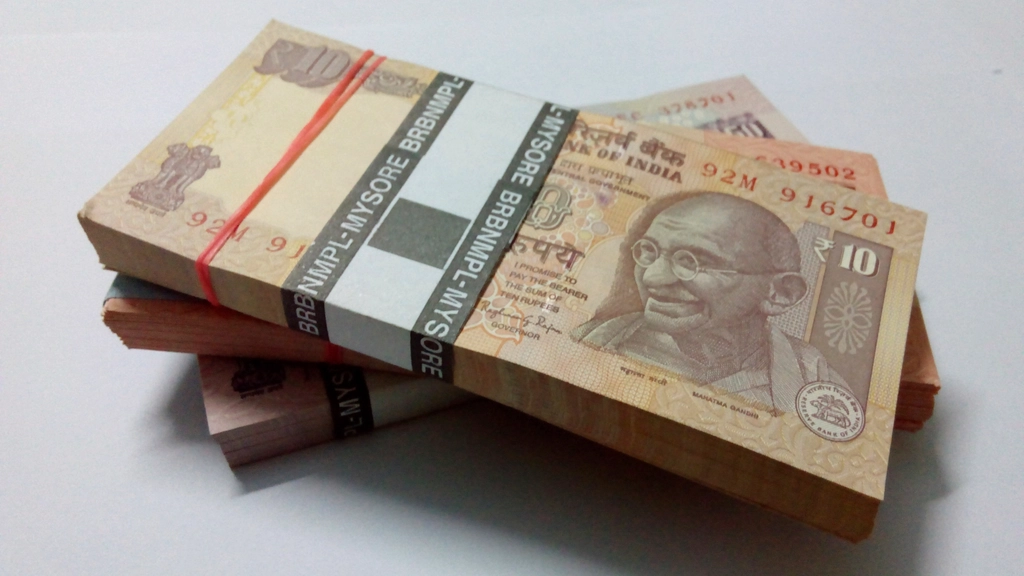
Photo: rawpixel (CC0)
Why Debt Consolidation Matters in India
Managing multiple EMIs can be overwhelming, especially when you have credit card bills, personal loans, and maybe a small business loan. Juggling different due dates, interest rates, and lenders often leads to missed payments, higher stress, and a dip in your CIBIL score. Consolidating your debt into a single personal loan can simplify repayments, potentially lower your overall interest burden, and help you regain control of your finances.
The main keyword debt consolidation appears in the first paragraph to signal relevance to search engines and readers.
Who Can Benefit from a Debt Consolidation Loan?
- Salaried employees – Regular monthly income makes it easier to qualify for a single loan that covers all existing debts.
- Self‑employed professionals – With proper documentation of income and tax returns, they can also access consolidation loans, though lenders may scrutinise cash flow more closely.
- Homeowners with a modest property – Some borrowers prefer a top‑up on their home loan as a consolidation tool, but this article focuses on unsecured personal loans.
How Debt Consolidation Works
- Assess all outstanding debts – List every loan, credit card balance, and any other liability, noting the outstanding principal, interest rate, and remaining tenure.
- Calculate the total amount needed – Add up the balances; this becomes the loan amount you will apply for.
- Apply for a personal loan – Choose a lender that offers a reasonable interest range (typically 10‑15% per annum for salaried borrowers, slightly higher for self‑employed). Remember, rates vary by lender and credit profile.
- Use the loan amount to clear existing debts – Pay off each liability in full. Once settled, you will have only one EMI to manage.
- Repay the new loan – Stick to the repayment schedule. Timely payments will improve your CIBIL score over time.
Choosing the Right Consolidation Loan
| Feature | What to Look For | Why It Matters |
|---|---|---|
| Interest Rate | Fixed rate within typical market range | Predictable EMI, easier budgeting |
| Processing Fees | Lower fees (often 0‑1% of loan amount) | Reduces overall cost of consolidation |
| Loan Tenure | 12‑60 months, matching your repayment comfort | Balances EMI size and total interest paid |
| Pre‑payment Options | No penalty or low penalty for early closure | Allows you to save interest if you can pay faster |
| Eligibility Criteria | Clear guidelines for salaried & self‑employed | Helps you assess eligibility before applying |
Steps to Apply for a Consolidation Loan on MyLoanWala
- Visit MyLoanWala.com and navigate to the personal loan comparison tool.
- Enter your details – loan amount, tenure, employment type, and approximate CIBIL score.
- Compare offers – the platform lists lenders with their interest bands, processing fees, and pre‑payment terms.
- Select a lender – click through to the lender’s site to start the application.
- Submit documents – typically PAN, Aadhaar, salary slips or IT returns, and bank statements.
- Disbursement – once approved, the loan amount is credited to your bank account, ready to clear existing debts.
Common Mistakes to Avoid
- Ignoring the total cost – A lower EMI might come with a longer tenure, increasing total interest. Use the EMI calculator on MyLoanWala to see the full picture.
- Skipping pre‑payment penalties – Some lenders charge a fee for early repayment, which can erode savings.
- Consolidating without a repayment plan – Ensure you have a realistic budget before taking a new loan; otherwise, you may fall into a deeper debt cycle.
- Over‑borrowing – Only borrow the amount needed to clear existing debts; borrowing extra for discretionary spending defeats the purpose.
Benefits of Debt Consolidation
- Single EMI – One due date, one amount, less chance of missed payments.
- Potentially lower interest – Unsecured personal loans often have lower rates than credit cards.
- Improved credit score – Timely repayment of a single loan can boost your CIBIL score faster than juggling multiple debts.
- Simplified tracking – Easier to monitor your financial health using bank statements or personal finance apps.
When Consolidation May Not Be Ideal
- Very high existing loan interest – If you already have a low‑rate home loan, using it for consolidation might be better than an unsecured loan.
- Short remaining tenure – If your debts are close to being paid off, the fees associated with a new loan might outweigh the benefits.
- Unstable income – If your cash flow is unpredictable, adding another loan could increase risk.
FAQ
Q1: Can I consolidate credit card debt with a personal loan? A: Yes. Personal loans often have lower interest rates than credit cards, making them a good option for consolidation.
Q2: How does a consolidation loan affect my CIBIL score? A: Closing multiple accounts and maintaining a single, timely payment history can improve your score over time.
Q3: Do I need a guarantor for a consolidation loan? A: Most personal loans are unsecured and do not require a guarantor, though lenders may ask for additional documentation for self‑employed borrowers.
Q4: What documents are typically required? A: PAN, Aadhaar, address proof, salary slips or IT returns, and recent bank statements.
Q5: Is a fixed or floating interest rate better for consolidation? A: Fixed rates provide certainty and are generally preferred for budgeting, especially when consolidating multiple debts.
Take the First Step Today
Debt consolidation can be a powerful tool to regain financial stability, but it works best when you choose the right loan and stick to a disciplined repayment plan. Use MyLoanWala’s personal loan comparison to find a suitable offer, calculate your new EMI, and start simplifying your finances.
Ready to compare loan offers and consolidate your debt? Visit MyLoanWala now!