
CIBIL Score Tips for First‑Time Credit Card Users
6 November 2026
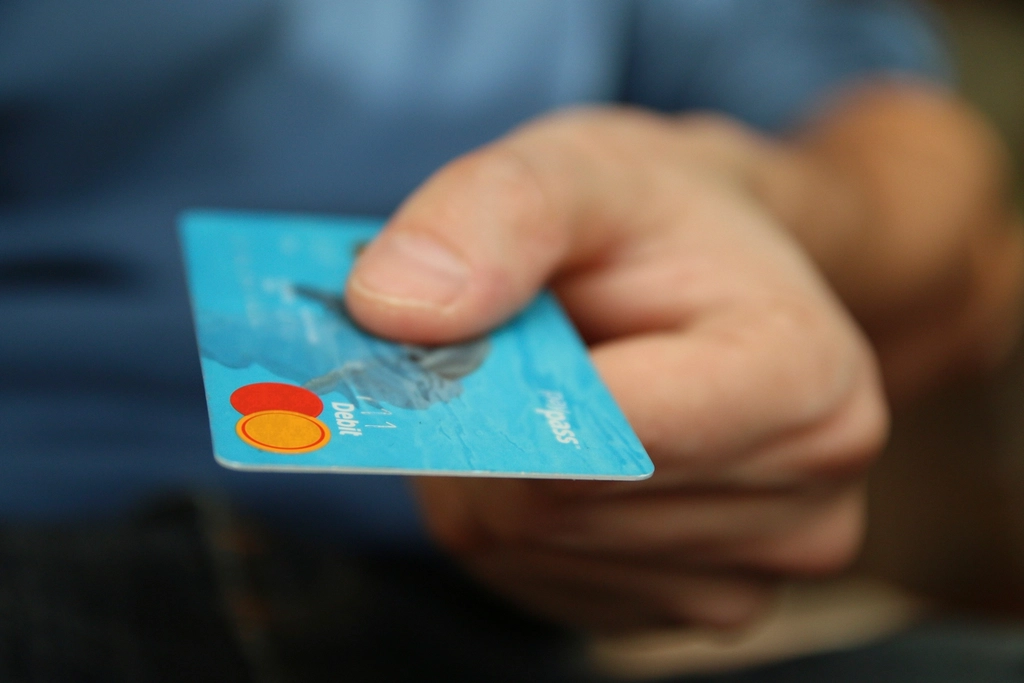
Photo: rawpixel (CC0)
Why Your First Credit Card Matters for Your CIBIL Score
Getting a credit card for the first time is a big step for any Indian borrower. Your CIBIL score – the most widely used credit rating in India – will start to form based on how you manage this new line of credit. A good score (typically 750 and above) opens doors to lower‑interest personal loans, home loans, and even better credit card offers. Below are practical, easy‑to‑follow tips that help first‑time users build a strong CIBIL score right from the start.
1. Choose the Right Card for Your Needs
- Low credit limit – Starting with a modest limit (₹10,000‑₹25,000) reduces the risk of overspending.
- No‑annual‑fee options – Look for cards that waive the first‑year fee; this keeps your cost low while you focus on repayment discipline.
- Transparent interest rates – Typical credit card interest in India ranges from 24% to 36% per annum, but exact rates vary by lender. Check the fine print before applying.
2. Make Timely Payments Every Month
Payment history is the single biggest factor in your CIBIL score. Follow these habits:
- Pay the full statement balance before the due date to avoid interest and show responsible usage.
- Set up auto‑debit for at least the minimum amount; this prevents missed payments.
- Mark the due date on your calendar or use reminders on your phone.
3. Keep Your Utilisation Ratio Low
Credit utilisation – the percentage of your limit you use – should ideally stay below 30%. For a ₹20,000 limit, try to keep the outstanding balance under ₹6,000. A low utilisation signals to lenders that you are not overly dependent on credit.
4. Avoid Frequent Credit Inquiries
Each time you apply for a new credit product, a hard inquiry is recorded on your credit file. Multiple inquiries in a short span can temporarily dip your score. Plan your applications carefully and limit them to one or two per year unless absolutely necessary.
5. Build a Positive Credit Mix Over Time
While a single credit card is a good start, a healthy credit mix – such as a personal loan or a small auto loan – can improve your score once you have a track record of timely payments. Introduce additional credit products only after you have comfortably managed your first card for at least 6‑12 months.
6. Monitor Your Credit Report Regularly
- Check your CIBIL report at least once a year for free. Look for any inaccuracies, such as wrong personal details or unauthorised accounts.
- Raise disputes with the credit bureau if you spot errors; correcting them can boost your score quickly.
- Stay aware of any new accounts opened in your name – this helps you spot identity theft early.
7. Use Your Card for Smart, Recurring Payments
Paying regular bills (mobile recharge, utility bills, subscriptions) on your credit card can help you build a payment history without increasing your utilisation dramatically. Just ensure you clear the balance each month to avoid interest.
8. Pay More Than the Minimum When Possible
If you cannot pay the full balance, try to pay more than the minimum due. This reduces the outstanding amount faster, lowers interest costs, and positively impacts your score.
9. Keep Old Accounts Open
The length of credit history contributes to your CIBIL score. Even if you upgrade to a higher‑limit card later, keep the original account active by using it occasionally and paying it off each month.
10. Be Patient – Credit Scores Grow Over Time
There is no shortcut to a high CIBIL score. Consistent, responsible behaviour over 12‑24 months will reflect positively. Avoid quick‑fix schemes that promise instant score boosts; they often involve risky practices that can damage your credit.
| Do’s | Don’ts |
|---|---|
| Pay the full balance on time | Miss due dates |
| Keep utilisation below 30% | Max out the card |
| Review your credit report annually | Apply for many cards at once |
| Use the card for regular bills and clear them | Carry a balance month‑to‑month |
| Keep the account open for a long term | Close old accounts prematurely |
FAQ
Q1: How long does it take for a new credit card to affect my CIBIL score? A: Usually within 30‑60 days after the first reported activity, you’ll see a change. Consistent behaviour over 6‑12 months yields noticeable improvement.
Q2: Can a single missed payment ruin my score? A: A missed payment can cause a dip, but the impact lessens if you resume timely payments quickly. The longer the default, the greater the damage.
Q3: Is it better to have multiple low‑limit cards or one high‑limit card? A: Both approaches can work. Multiple cards increase the total credit limit, helping keep utilisation low, but they also generate more inquiries. Choose based on your ability to manage them responsibly.
Q4: Do I need to pay the annual fee to keep the card active? A: Not necessarily. Some cards waive the fee for the first year or if you meet a spend threshold. Check the terms before deciding.
Q5: How often can I request a free CIBIL report? A: RBI guidelines allow you to obtain one free credit report per year from each credit bureau. Some bureaus also offer additional free reports on special occasions.
Ready to take control of your credit future? Use MyLoanWala’s free credit‑score checker and compare the best credit‑card offers tailored for first‑time users. Start building a strong CIBIL score today!


