How to Choose the Right Personal Loan for Your Needs in India
6 November 2026

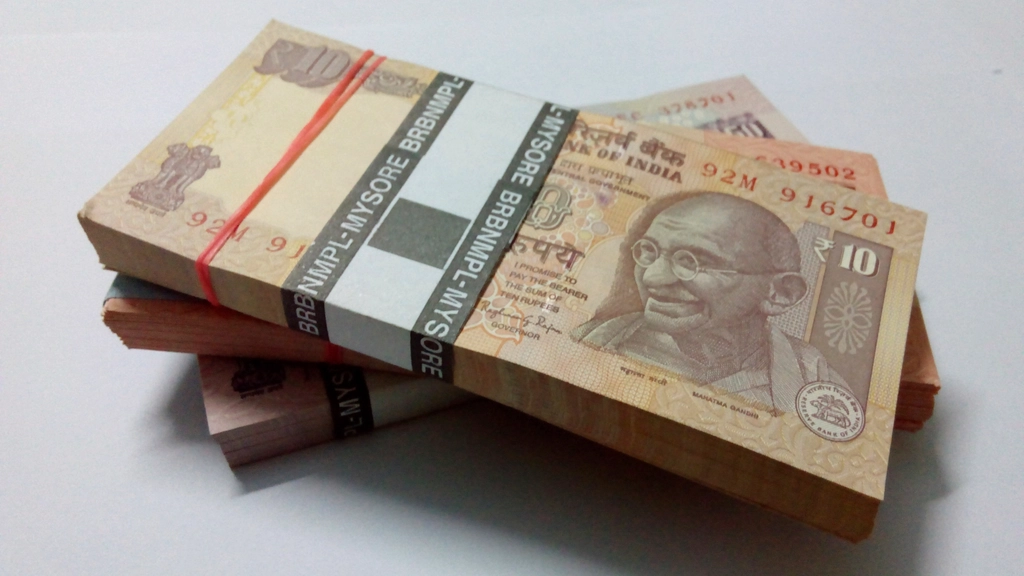
Photo: rawpixel (CC0)
Understanding Personal Loans in India
Personal loans are unsecured credit products that let you borrow a lump sum for a variety of personal needs – from wedding expenses and home renovations to debt consolidation or a short‑term cash crunch. Because they are unsecured, you don’t need to pledge property or a vehicle, but lenders assess your creditworthiness closely. The main keyword personal loans in India appears naturally here to help readers find exactly what they need.
Who Can Apply?
- Salaried employees (typically 2‑3 years of continuous employment)
- Self‑employed professionals (2‑3 years of tax returns or profit‑and‑loss statements)
- Retired individuals with a steady pension income
- NRIs with a valid Indian bank account and proof of overseas income
Key Features to Compare
| Feature | What It Means | Typical Range in India |
|---|---|---|
| Loan amount | The maximum you can borrow | ₹50,000 – ₹25 lakh (higher for high‑income borrowers) |
| Tenure | How long you have to repay | 12 months to 60 months |
| Interest rate (p.a.) | Cost of borrowing, varies by lender and credit score | 10.5 % – 24 % |
| Processing fee | One‑time fee charged by the lender | 0.5 % – 2 % of loan amount |
| Pre‑payment penalty | Fee for early repayment (if any) | Usually 0 % – 2 % of the prepaid amount |
Tip: Use the EMI calculator on MyLoanWala to see how different amounts, tenures and rates affect your monthly payment.
5 Practical Steps to Pick the Best Personal Loan
- Check Your Credit Health
- Your CIBIL score is the most important factor. A score above 750 typically unlocks lower interest bands. If your score is lower, consider improving it before applying.
- Define the Loan Purpose and Amount
- Borrow only what you truly need. Over‑borrowing increases the total interest paid and may affect future credit eligibility.
- Compare Interest Rate Structures
- Some lenders offer a fixed rate for the entire tenure, while others have a floating rate linked to the RBI’s repo rate. Fixed rates give certainty; floating rates may be cheaper if rates fall.
- Look Beyond Rate – Fees Matter
- Processing fees, documentation charges, and pre‑payment penalties can add up. A slightly higher rate with lower fees may be cheaper overall.
- Assess Customer Service and Disbursement Speed
- Quick online approval and same‑day disbursement are valuable if you need funds urgently. Check user reviews for service quality.
Common Use‑Cases for Personal Loans
- Wedding expenses – Fast funding without collateral.
- Home renovation – Consolidate multiple contractor bills into one loan.
- Debt consolidation – Replace high‑interest credit‑card debt with a single, lower‑rate loan.
- Medical emergencies – Immediate cash flow without selling assets.
- Education fees – Short‑term bridge finance while waiting for scholarships or loans.
Documents You’ll Typically Need
- Identity proof (Aadhaar, PAN)
- Address proof (utility bill, passport)
- Income proof (salary slips for 3 months, Form 16, or IT returns for self‑employed)
- Bank statements (last 3‑6 months)
- Employment proof (appointment letter, business registration)
How RBI Regulations Protect You
- Maximum interest ceiling – RBI caps interest rates for personal loans to protect borrowers from usurious charges.
- Transparent disclosure – Lenders must share the Annual Percentage Rate (APR), processing fees, and any pre‑payment charges before you sign the agreement.
- Grace period – Some lenders offer a short grace period on the first EMI, but this must be clearly mentioned in the loan contract.
FAQs
Q1. Can I get a personal loan with a low CIBIL score? A: Yes, but the interest rate will be higher and the loan amount may be limited. Some fintech platforms specialise in serving borrowers with scores in the 600‑700 range.
Q2. Is a personal loan taxable? A: The loan amount itself is not taxable, but the interest paid is not tax‑deductible for salaried individuals. However, if you use the loan for a business purpose, the interest may be claimed as a business expense.
Q3. How long does approval take? A: Online lenders can approve and disburse funds within 24‑48 hours, while traditional banks may take up to a week.
Q4. What happens if I miss an EMI? A: Missed payments affect your credit score and may attract a penalty. Some lenders offer a short‑term moratorium, but it’s best to communicate proactively.
Q5. Can I pre‑pay without penalty? A: Many lenders now offer zero pre‑payment penalty loans. Always confirm the clause before signing.
Choosing the right personal loan involves balancing interest rates, fees, and service quality. Use the comparison tools on MyLoanWala to filter offers based on your credit profile, loan amount, and repayment tenure, and make an informed decision today.
Ready to compare personal loans in India? Visit MyLoanWala and find the best offer for your needs.