Recovering Your CIBIL Score After a Credit Card Missed Payment
4 November 2026

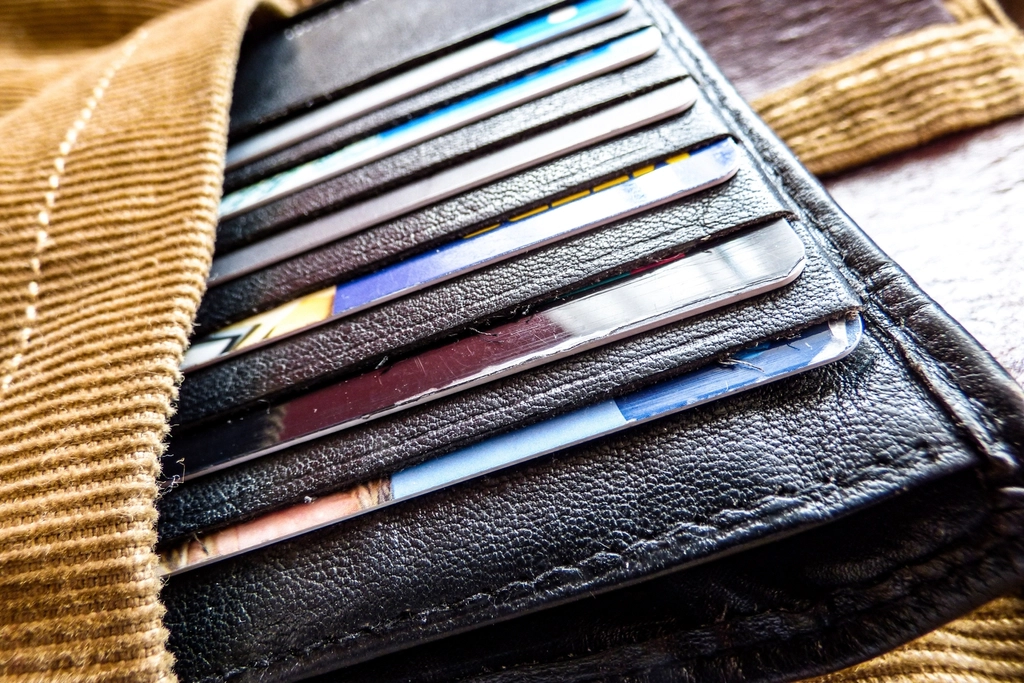
Photo: rawpixel (CC0) via Openverse
Why a Missed Credit Card Payment Can Hurt Your CIBIL Score
A single missed payment on a credit card can cause a noticeable dip in your CIBIL score. Lenders view payment history as the most important factor, and a delay of even a few days may be reported to credit bureaus. This can affect your eligibility for personal loans, home loans, and even a new credit card. Understanding how the scoring model works helps you take targeted actions to recover quickly.
The Five Pillars of a Healthy CIBIL Score
| Pillar | What It Means for You |
|---|---|
| Payment History | Timely repayment of all EMIs and credit card dues. |
| Credit Utilisation | Using less than 30% of your total credit limit across cards. |
| Length of Credit History | Older accounts contribute positively. |
| Credit Mix | Having a balanced mix of secured and unsecured credit. |
| New Credit Requests | Frequent hard enquiries can lower the score. |
While you cannot change the scoring formula, you can influence each pillar with disciplined habits.
Step‑by‑Step Plan to Rebuild Your Score
1. Clear the Outstanding Dues Immediately
- Pay the overdue amount as soon as possible. Once the lender updates the status, the negative mark will gradually lose weight.
- Set up auto‑debit for the minimum amount to avoid future slips.
2. Communicate with Your Card Issuer
- If this is your first default, request a ‘goodwill adjustment’. Some banks may remove the late payment mark after a written apology and a clean repayment record for the next 6‑12 months.
- Ask for a statement of clearance that you can keep for future reference.
3. Reduce Credit Utilisation
- Keep the utilisation ratio below 30% on each card. If your limit is ₹50,000, aim to carry a balance of no more than ₹15,000.
- Consider requesting a limit increase after you have cleared the overdue amount. A higher limit automatically improves the ratio.
4. Keep Older Accounts Open
- Even if you don’t use an old credit card, keep it active by making a small purchase each month and paying it off instantly. This extends the average age of your credit history.
5. Avoid Unnecessary Hard Enquiries
- Each hard pull for a new loan or credit card can shave a few points. Space out applications and only apply when you truly need credit.
6. Use a Secured Credit Card
- If your unsecured cards are limited, a secured credit card backed by a fixed deposit can help you rebuild credit. The deposit acts as collateral, and timely payments are reported to CIBIL.
7. Monitor Your Credit Report Regularly
- Obtain a free CIBIL report once a year and check for errors such as duplicate entries or wrong personal details. Dispute any inaccuracies through the official channel.
8. Stay Consistent for 6‑12 Months
- The biggest boost comes from consistent on‑time payments over a period of 6‑12 months. Patience is key; the score will gradually climb as the negative mark ages.
Common Mistakes to Avoid
- Ignoring the overdue notice and hoping it will disappear on its own.
- Closing old credit cards immediately after paying off the balance, which reduces your credit age.
- Taking multiple loans to pay off the missed payment, which creates more hard enquiries.
- Using credit cards for cash advances as they carry higher interest and can quickly raise utilisation.
How Long Does Recovery Take?
The exact timeline varies, but generally:
- The overdue status is updated within 30‑45 days after payment.
- The impact of a single missed payment begins to fade after 6 months of clean behaviour.
- Full recovery to pre‑default levels may take 12‑18 months, depending on the severity and your subsequent credit activity.
Quick Checklist for Faster Recovery
- Pay all overdue amounts today.
- Set up auto‑debit for minimum dues.
- Keep utilisation under 30%.
- Keep old cards active.
- Limit new credit applications.
- Review credit report for errors.
- Consider a secured credit card if needed.
Frequently Asked Questions
Q: Will a single missed payment affect my home loan eligibility? A: Yes, lenders check the CIBIL score and payment history. A dip can lead to higher interest rates or a request for a larger down‑payment.
Q: Can I request the bank to delete the late payment record? A: Banks may offer a goodwill adjustment for first‑time defaulters, but it is not guaranteed. A written request and a clean repayment track record improve chances.
Q: How often can I check my CIBIL score for free? A: You are entitled to one free credit report per year from each of the four major credit bureaus. Some banks also provide complimentary scores on their mobile apps.
Q: Does settling a debt for less than the full amount improve my score? A: Settling a debt may remove the outstanding balance, but the settlement itself is recorded and can still affect the score. It is better to pay the full amount if possible.
Q: Is a secured credit card a good option for rebuilding credit? A: Yes, because the deposit reduces the lender’s risk, and timely payments are reported to CIBIL, helping to boost your score.
Take the First Step Today
Rebuilding a CIBIL score after a missed credit card payment is entirely possible with disciplined habits and strategic actions. Start by clearing the overdue amount, keep your utilisation low, and monitor your credit report regularly. Over time, you’ll see your score climb back, opening doors to better loan offers and lower interest rates.
Ready to compare loan options once your score improves? Visit MyLoanWala and find the best offers tailored to your credit profile.