How a Loan Against Property Can Fund Your Medical Emergency
31 October 2026
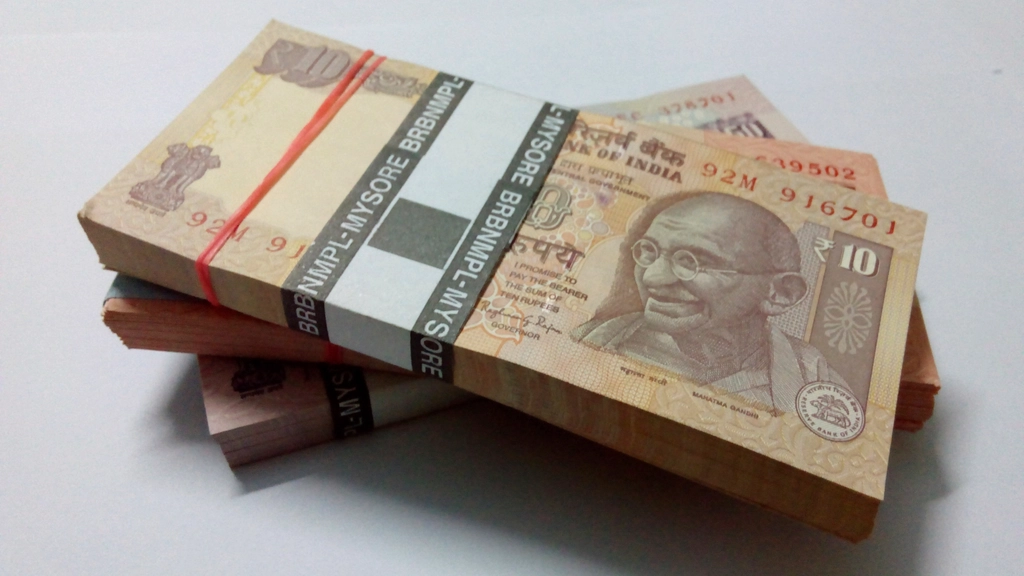
Photo: rawpixel (CC0)
Why Consider a Loan Against Property for Medical Expenses?
When a sudden health crisis strikes, the cost of treatment can quickly run into lakhs or even crores. Traditional personal loans may not provide enough funding, and credit cards often carry high interest rates. A loan against property (LAP) offers a viable alternative because it lets you unlock the equity in your existing residential or commercial property at a lower interest rate than most unsecured loans.
How Does a Loan Against Property Work?
- Security: Your property (house, flat, or commercial space) is pledged as collateral.
- Loan‑to‑Value (LTV): Lenders typically approve 50‑70 % of the property's market value, depending on the location and type of property.
- Tenure: Repayment periods can stretch up to 15‑20 years, which helps keep monthly EMIs manageable.
- Interest Rates: Usually a mix of floating and fixed options, ranging from 8‑12 % per annum. Exact rates vary by lender and your credit profile.
Who Should Opt for an LAP for Medical Needs?
- Salaried Professionals with a stable income but limited cash reserves.
- Self‑Employed/Business Owners who have significant property assets but face cash‑flow constraints.
- Families with high‑value medical bills (surgery, cancer treatment, organ transplant) where immediate, large‑scale funding is required.
Eligibility Checklist
| Requirement | Typical Requirement |
|---|---|
| Age | 21‑65 years (some banks may allow up to 70) |
| Income | Minimum net monthly income of ₹30,000 for salaried; higher for self‑employed |
| Property Ownership | Clear title deed; property must be free of other major liens |
| CIBIL Score | 750+ preferred for best rates |
| Employment | Minimum 2‑3 years with current employer (salaried) |
Tip: Even if your CIBIL score is lower, a strong property valuation can improve approval chances.
Step‑by‑Step Process
- Assess Your Property Value – Get a recent market valuation from a certified valuer or use online tools for an estimate.
- Calculate Required Loan Amount – Determine the total medical cost and add a buffer for ancillary expenses (travel, accommodation, post‑operative care).
- Gather Documents – Title deed, property tax receipts, identity proof, address proof, income proof (salary slips, IT returns), and any existing loan statements.
- Apply Online or Offline – Many banks and NBFCs allow a fully digital application. Upload documents, and the lender will schedule a site visit.
- Property Verification – The lender’s surveyor will inspect the property and confirm its legal status.
- Sanction & Disbursement – Once approved, the loan amount is credited directly to your bank account, usually within 7‑10 working days.
Pros and Cons of Using LAP for Medical Expenses
Pros
- Lower Interest compared to personal loans or credit cards.
- Higher Loan Amounts – Up to several crores, depending on property value.
- Longer Tenure – Reduces the EMI burden.
- Flexibility – Can be used for any purpose, including medical bills, without needing to disclose the purpose to the lender.
Cons
- Risk of Property Loss – Failure to repay can lead to foreclosure.
- Processing Time – Typically longer than unsecured loans due to property verification.
- Valuation Fluctuations – Market downturns may affect the sanctioned amount.
How to Keep Your LAP Safe
- Maintain Timely EMI Payments – Set up auto‑debit to avoid missed payments.
- Consider Pre‑payment Options – Some lenders allow partial pre‑payments without penalty, helping you reduce interest.
- Monitor Property Valuation – Keep an eye on market trends; if your property value drops, you might need to refinance.
- Insurance – Insure the property against fire, natural disasters, and other risks to protect the lender’s security.
Alternatives to LAP for Medical Funding
- Health Insurance – First line of defense; ensure you have a comprehensive policy.
- Critical Illness Cover – Pays a lump sum on diagnosis of covered diseases.
- Personal Loan – Faster but higher interest; suitable for smaller amounts.
- Government Schemes – Some state governments offer subsidised medical loans for low‑income families.
Frequently Asked Questions
Q1: How long does the approval process take? A: Typically 7‑15 days after document submission, but it can vary based on the lender and property verification.
Q2: Can I get a loan if my property is already under a home loan? A: Yes, many lenders allow a second‑rank loan, but the total LTV across all loans must stay within the permissible limit.
Q3: Is the interest rate fixed or floating? A: Both options are available. Fixed rates provide certainty, while floating rates may be lower initially but can change with RBI policy shifts.
Q4: What happens if I miss an EMI? A: The lender may levy a penalty and, after repeated defaults, could initiate foreclosure proceedings.
Q5: Can I pre‑pay the loan without penalty? A: Some lenders allow free pre‑payment up to a certain percentage each year. Check the specific terms before signing.
Final Thoughts
A loan against property can be a lifeline when faced with hefty medical expenses, offering larger amounts at lower rates than most unsecured options. However, it’s crucial to weigh the benefits against the risk of putting your property on the line. Always compare offers, read the fine print, and ensure you have a robust repayment plan.
Ready to explore the best loan against property options for your medical emergency? Compare offers on MyLoanWala and find a solution that fits your needs.