Loan Against Property in Uttam Nagar: How to Use Your Home Equity for Debt Consolidation
31 October 2026

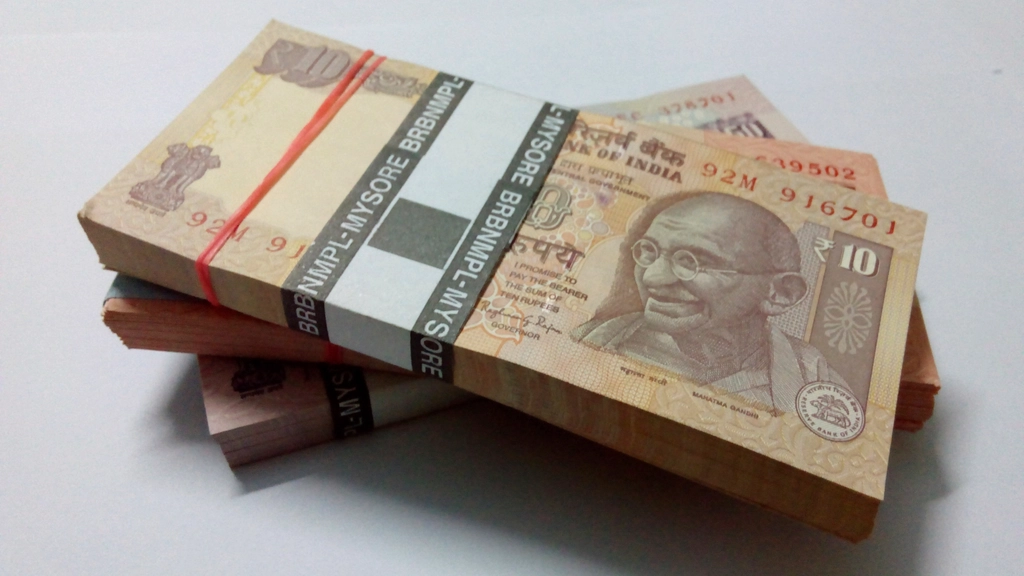
Photo: rawpixel (CC0)
Why Debt Consolidation with a Loan Against Property Makes Sense in Uttam Nagar
If you own a house or flat in Uttam Nagar and are juggling multiple high‑interest loans – credit cards, personal loans, or unsecured overdrafts – a loan against property (LAP) can be a smart way to bring all those debts under one lower‑cost umbrella. By leveraging the equity built in your property, you can often secure a loan at a rate that’s significantly lower than unsecured borrowing, simplify repayments, and improve your cash flow.
In this guide, we’ll walk you through:
- When a LAP is the right choice for debt consolidation
- Eligibility basics specific to Uttam Nagar borrowers
- The step‑by‑step application process
- Key factors that affect interest rates and tenure
- How to compare offers on MyLoanWala
When Is Debt Consolidation a Good Fit?
- Multiple high‑interest debts – Credit card balances and personal loans can carry rates above 20% per annum. A LAP typically offers rates in a lower band (subject to lender policy).
- Stable income – Since LAPs are secured, lenders look for a steady salary or business income to ensure you can service the larger loan.
- Adequate property equity – Generally, lenders finance up to 50‑70% of the market‑valued property. If you have enough surplus equity, you can free up a sizable amount for debt repayment.
- Desire for a single EMI – Managing one consolidated EMI is easier than juggling several due dates and amounts.
Eligibility Checklist for Uttam Nagar Residents
| Requirement | Typical Expectation |
|---|---|
| Age | 21‑65 years (some lenders allow up to 70 years with a co‑borrower) |
| CIBIL Score | 750+ for best rates; scores above 700 are usually acceptable |
| Income | Minimum net monthly income of ₹30,000 for salaried; higher for self‑employed with proven turnover |
| Property Ownership | Clear title, no existing encumbrances, and property should be in Uttam Nagar or nearby Delhi NCR zones |
| Loan‑to‑Value (LTV) Ratio | Up to 70% of the property's assessed value, depending on the lender |
Step‑by‑Step Process to Secure a LAP for Debt Consolidation
- Assess Your Debt Load – List all existing loans, interest rates, outstanding balances, and remaining tenures.
- Calculate Required Loan Amount – Add up the total you need to clear those debts, then add a small buffer for processing fees or emergencies.
- Check Property Valuation – Get a recent market valuation of your Uttam Nagar property. Real‑estate agents or bank assessors can help.
- Gather Documents – Typical paperwork includes:
- Property sale deed & title report
- Latest property tax receipt
- Salary slips or audited business accounts for the last 2‑3 years
- Bank statements (last 6 months)
- PAN, Aadhaar, and identity proof
- Apply Online or Offline – Most banks and NBFCs allow a quick online application. Upload the documents and wait for a preliminary sanction.
- Legal & Technical Verification – The lender will verify title, check for any existing liens, and may conduct a site visit.
- Loan Sanction & Disbursement – Once approved, the loan amount is credited to your account. Use it immediately to pay off the high‑interest debts.
- Start Repaying the Consolidated EMI – Your new EMI will be calculated based on the loan amount, tenure (usually 5‑15 years), and the interest rate offered.
What Influences the Interest Rate?
- CIBIL Score – Higher scores fetch better rates.
- LTV Ratio – Lower LTV (i.e., borrowing a smaller percentage of property value) often leads to lower rates.
- Loan Tenure – Shorter tenures may have slightly lower rates but higher EMIs.
- Bank vs NBFC – Traditional banks may offer marginally better rates, while NBFCs can be more flexible with documentation.
- Market Conditions – Rates are linked to RBI’s repo rate and can vary; always check the latest rates on MyLoanWala.
Tips to Get the Best Deal in Uttam Nagar
- Maintain a healthy CIBIL score – Pay all existing EMIs on time and avoid new credit inquiries before applying.
- Negotiate LTV – If you have ample equity, ask the lender to finance a lower LTV to secure a better rate.
- Compare processing fees – Some lenders charge higher upfront fees; a lower fee can improve overall cost.
- Consider a co‑borrower – Adding a spouse or family member with a good credit profile can enhance eligibility and rates.
- Use MyLoanWala’s comparison tool – Input your property value, required loan amount, and credit score to see side‑by‑side offers.
Frequently Asked Questions
Q1: How long does the approval process take? A: Typically 7‑14 days after document submission, but some banks offer instant pre‑approval based on digital verification.
Q2: Will I lose ownership of my Uttam Nagar house? A: No. The property acts as collateral, and you retain possession as long as you meet repayment obligations.
Q3: Can I refinance an existing home loan with a LAP? A: Yes, many borrowers use a LAP to refinance a higher‑rate home loan, effectively converting it into a single, lower‑cost loan.
Q4: Are there tax benefits on a LAP used for debt consolidation? A: Interest on a LAP is generally not eligible for tax deduction unless the loan is used for purchasing or constructing a residential property. Consult a tax advisor for personal advice.
Q5: What happens if I default? A: The lender can initiate a foreclosure process on the pledged property, so it’s crucial to assess repayment capacity before borrowing.
Take the Next Step
Debt consolidation through a loan against property can streamline your finances and save you money on interest. However, it’s essential to evaluate your repayment ability and choose a lender offering transparent terms.
Ready to compare the best LAP offers for your Uttam Nagar property? Visit MyLoanWala now and find the right loan to consolidate your debts today!