Personal Loans for Self‑Employed Professionals in India: A Complete Guide
3 November 2026
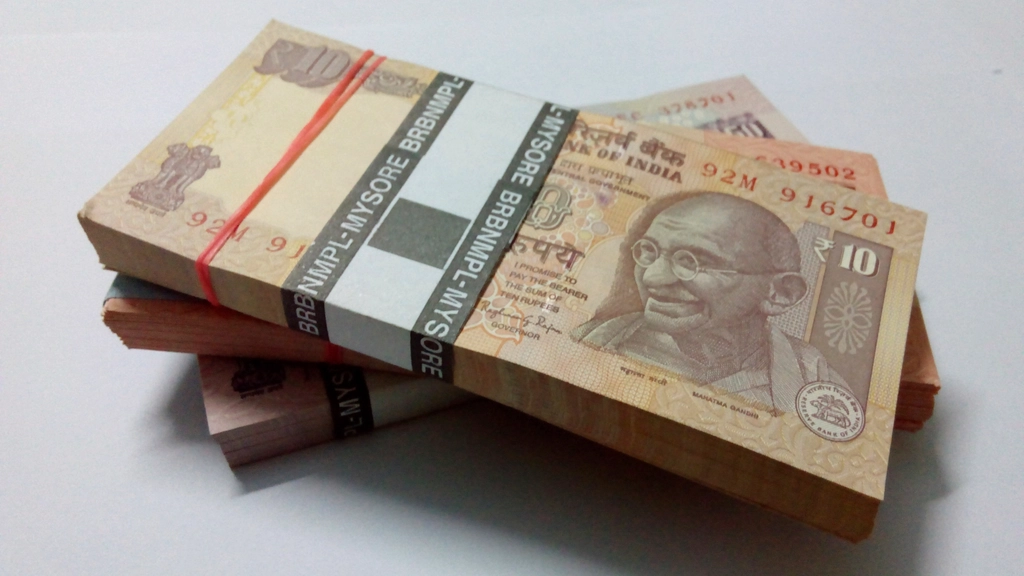
Photo: rawpixel (CC0)
Why Self‑Employed Borrowers Need a Different Approach
Self‑employed professionals – freelancers, consultants, small business owners, and gig‑economy workers – often face unique challenges when applying for a personal loan. Unlike salaried employees, they may not have a fixed monthly salary slip, making it harder for lenders to assess repayment capacity. This guide walks you through the key factors, required documents, and smart strategies to improve your chances of getting a personal loan in India.
Understanding How Lenders Evaluate Self‑Employed Applicants
Lenders typically look at the following:
- Income Stability: Consistent bank statements, GST returns, or audited financials that show a steady cash flow.
- CIBIL Score: A good credit score (generally 750+) boosts approval odds and may fetch better interest rates.
- Debt‑to‑Income Ratio (DTI): Lenders prefer a DTI below 40% to ensure you can comfortably service the loan.
- Business Tenure: Most banks prefer a minimum of 2‑3 years in operation, though some NBFCs may be more flexible.
Essential Documents You’ll Need
| Document | Purpose |
|---|---|
| PAN Card | Identity proof |
| Aadhaar Card | Address proof |
| Latest Income Tax Returns (ITR) | Shows declared income |
| Audited Financial Statements (if applicable) | Validates business profitability |
| Bank Statements (last 6‑12 months) | Demonstrates cash flow |
| GST Returns (if registered) | Confirms turnover |
| Business Registration Certificate (e.g., MSME, LLP) | Proof of legal entity |
| Proof of Residence (electricity bill, rent agreement) | Address verification |
Choosing the Right Lender
Not all lenders treat self‑employed borrowers the same way. Here are common options:
- Public Sector Banks: Often have stricter documentation but may offer lower interest rates for well‑documented applicants.
- Private Banks: More flexible with income proof, sometimes accepting bank statements and ITRs alone.
- NBFCs & FinTech Lenders: Quick processing, higher loan amounts, but typically at higher interest rates.
- Peer‑to‑Peer (P2P) Platforms: Emerging option for freelancers with good credit scores.
Tips to Strengthen Your Application
- Maintain Clean Credit History: Pay all existing EMIs and credit card bills on time.
- Consolidate Income Proof: Use a combination of bank statements, ITRs, and GST returns to show consistent earnings.
- Reduce Existing Debt: Lowering your DTI improves eligibility and may attract better rates.
- Consider a Co‑Applicant: Adding a salaried co‑borrower can boost approval chances.
- Use a Fixed‑Deposit (FD) as Collateral: Some banks offer lower rates if you pledge an FD as security.
How Much Can You Borrow?
Loan amounts for self‑employed individuals typically range from ₹50,000 to ₹25 lakhs, depending on income, credit score, and lender policies. Some NBFCs may go higher, especially for established businesses. Remember, the exact amount will be decided after a detailed assessment of your financials.
Interest Rates and Repayment Tenure
Interest rates for personal loans in India generally fall between 10.5% and 24% per annum, varying by lender, credit profile, and loan amount. Self‑employed borrowers may see rates on the higher side of this band. Repayment tenures usually range from 12 to 60 months. Always check the latest rates on the lender’s website or use MyLoanWala’s EMI calculator to estimate your monthly outflow.
Tax Implications
Personal loan interest is not tax‑deductible under Indian tax law. However, if you use the loan for a business purpose, you may be able to claim the interest as a business expense. Consult a tax professional for personalized advice.
Common Mistakes to Avoid
- Submitting Incomplete Documents: Missing any of the required proofs can delay processing.
- Over‑borrowing: Taking a loan amount higher than you can comfortably repay leads to stress and potential defaults.
- Ignoring Prepayment Charges: Some lenders levy a penalty for early repayment; check the terms before signing.
- Not Comparing Offers: Interest rates, processing fees, and prepayment penalties vary widely across lenders.
Frequently Asked Questions
Q1: Can I get a personal loan without a salary slip? A: Yes. Self‑employed borrowers can use bank statements, ITRs, GST returns, and audited financials as income proof.
Q2: How does my CIBIL score affect the loan? A: A higher score improves approval chances and can secure a lower interest rate. Scores above 750 are considered good.
Q3: What is the typical processing fee? A: Processing fees usually range from 0.5% to 2% of the loan amount, subject to a minimum cap set by the lender.
Q4: Can I prepay my personal loan? A: Most lenders allow prepayment, but some may charge a penalty. Review the loan agreement for details.
Q5: Is a guarantor required? A: Not always, but adding a guarantor with a strong credit profile can improve approval odds and may lower the interest rate.
Final Thoughts
Getting a personal loan as a self‑employed professional in India is entirely feasible with the right preparation. Focus on maintaining a clean credit record, gather comprehensive income proof, and compare offers across multiple lenders. Use MyLoanWala’s loan comparison tool to find the best personal loan tailored to your financial situation.
Ready to explore personal loan options? Compare offers on MyLoanWala today!