How to Use Personal Loans for Debt Consolidation in India
2 November 2026

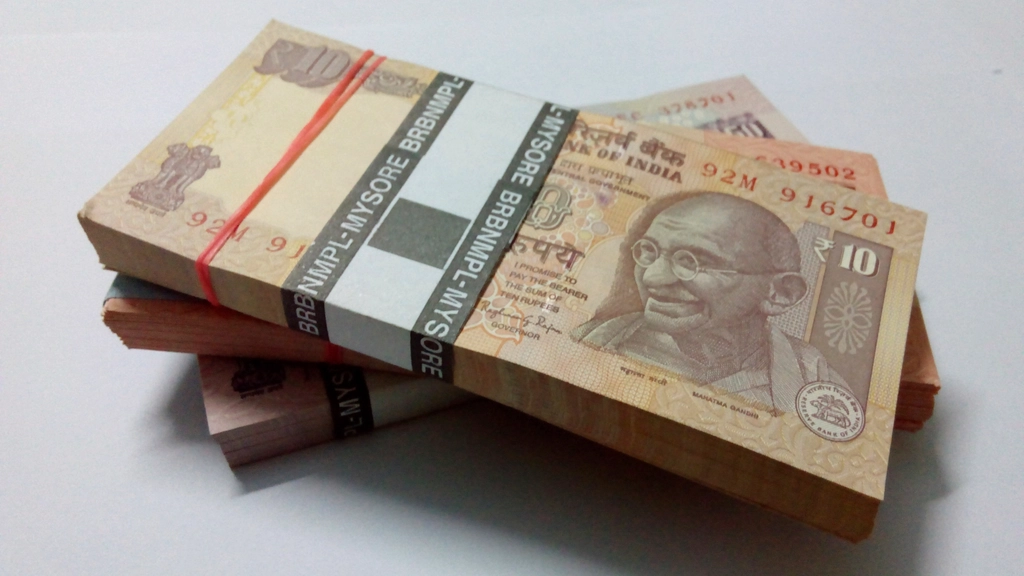
Photo: rawpixel (CC0)
Why Debt Consolidation Matters for Indian Borrowers
If you have multiple credit card bills, personal loans, or short‑term financing, managing several EMIs can be stressful. High interest rates on credit cards (often above 30% p.a.) can quickly erode your savings. A personal loan with a lower, fixed interest rate can help you combine these debts into a single, manageable payment. This approach not only simplifies budgeting but can also reduce the overall interest you pay – provided you choose the right loan and stick to a repayment plan.
Main keyword: personal loans for debt consolidation
How Debt Consolidation Works
- Assess Your Existing Debt – List every loan, credit‑card balance, and any other borrowings, noting the outstanding amount, interest rate, and remaining tenure.
- Calculate the Total Amount Needed – Add up the balances to determine the loan amount you’ll require to clear all debts.
- Apply for a Personal Loan – Choose a lender that offers a competitive rate, reasonable processing fees, and a tenure that matches your repayment capacity.
- Use the Disbursed Amount to Clear Debts – Once approved, the loan amount is transferred to your bank account. Pay off each outstanding debt immediately to avoid further interest accrual.
- Repay the New Loan – You now have a single EMI to manage, ideally at a lower interest rate than the combined rates of your previous debts.
Benefits of Using Personal Loans for Debt Consolidation
- Simplified Payments: One EMI each month reduces the risk of missed payments.
- Potential Interest Savings: Personal loan rates are usually lower than credit‑card rates.
- Improved Credit Score: Timely repayment of a single loan can positively impact your CIBIL score, whereas missed credit‑card payments can drag it down.
- Predictable Repayment Schedule: Fixed‑rate personal loans give you certainty about the total interest payable over the loan tenure.
Choosing the Right Personal Loan for Consolidation
| Factor | What to Look For | Why It Matters |
|---|---|---|
| Interest Rate Type | Fixed or low‑floating rates | Guarantees stable EMI; avoid sudden hikes. |
| Processing Fees | Typically 0.5‑2% of loan amount | Lower fees mean more savings. |
| Pre‑payment Charges | Minimal or none | Allows you to clear the loan early without penalty. |
| Loan Tenure | 12‑60 months (flexible) | Aligns with your cash flow and repayment ability. |
| Lender Reputation | Established banks or NBFCs with good customer service | Reduces risk of hidden charges and ensures smooth disbursement. |
Key Eligibility Checklist
- Age: Usually 21‑60 years (some lenders extend up to 65).
- Income: Minimum monthly net income of ₹15,000 for salaried; self‑employed may need higher proof of earnings.
- CIBIL Score: A score of 650 or above improves approval chances and may fetch better rates.
- Employment Stability: At least 2‑3 years with the current employer for salaried borrowers.
- Document Requirements: PAN, Aadhaar, salary slips or ITR, bank statements, and proof of residence.
Common Pitfalls to Avoid
- Borrowing More Than Needed: Taking a larger loan than required increases interest costs.
- Ignoring Pre‑payment Penalties: Some lenders charge fees for early repayment; always check the terms.
- Skipping a Budget Review: Consolidation works only if you stop accumulating new high‑interest debt.
- Over‑extending Tenure: Longer tenures lower EMI but raise total interest paid; find a balance.
Step‑by‑Step Guide to Apply Online
- Visit a Comparison Portal – Use MyLoanWala to compare offers from multiple banks and NBFCs.
- Enter Your Details – Provide loan amount, tenure, and personal information.
- Review Shortlisted Options – Look at interest rates, fees, and repayment flexibility.
- Select a Lender – Click ‘Apply Now’ to start the digital application.
- Upload Documents – Securely upload required PDFs; most lenders support e‑KYC.
- Get Approval & Disbursement – Once approved, the amount is credited directly to your bank account.
- Clear Existing Debts – Transfer funds to settle each creditor immediately.
How Debt Consolidation Impacts Your Credit Score
- Positive Impact: Paying off multiple high‑interest debts reduces your overall credit utilization ratio, a key factor in CIBIL scoring.
- Negative Impact (Short‑Term): A new loan adds a ‘hard inquiry’ and increases your total outstanding debt, which may cause a temporary dip.
- Long‑Term Benefit: Consistent, on‑time EMI payments over the loan tenure demonstrate creditworthiness, helping your score rise over time.
Frequently Asked Questions
Q1: Can I consolidate both secured and unsecured debts with a personal loan? A: Yes. Personal loans are unsecured, but you can use the disbursed amount to clear secured loans like a home‑equity loan, though you’ll lose the collateral benefit.
Q2: How long does approval take? A: Many lenders offer instant or same‑day approval for pre‑approved customers; otherwise, it typically takes 2‑5 working days.
Q3: Will my salary be credited to the lender automatically? A: Some lenders provide a ‘salary account linkage’ option for automatic EMI deduction, but it’s not mandatory.
Q4: Is it better to choose a fixed or floating rate? A: Fixed rates provide certainty and protect against rate hikes. Floating rates may start lower but can increase with RBI policy changes.
Q5: What if I miss an EMI? A: Late payment fees and a possible impact on your credit score may apply. Contact the lender immediately to discuss restructuring options.
Final Thoughts
Debt consolidation using a personal loan can be a powerful tool to regain financial control, lower your interest burden, and improve your credit health. However, success depends on disciplined repayment and avoiding new high‑interest debt. Use the EMI calculator on MyLoanWala to see how different tenures affect your monthly payment, and compare offers to find the best fit for your situation.
Ready to simplify your debts? Compare personal loan offers on MyLoanWala and take the first step towards a cleaner financial future.