Personal Loan Eligibility in India: Complete Checklist for Salaried Borrowers
31 October 2026
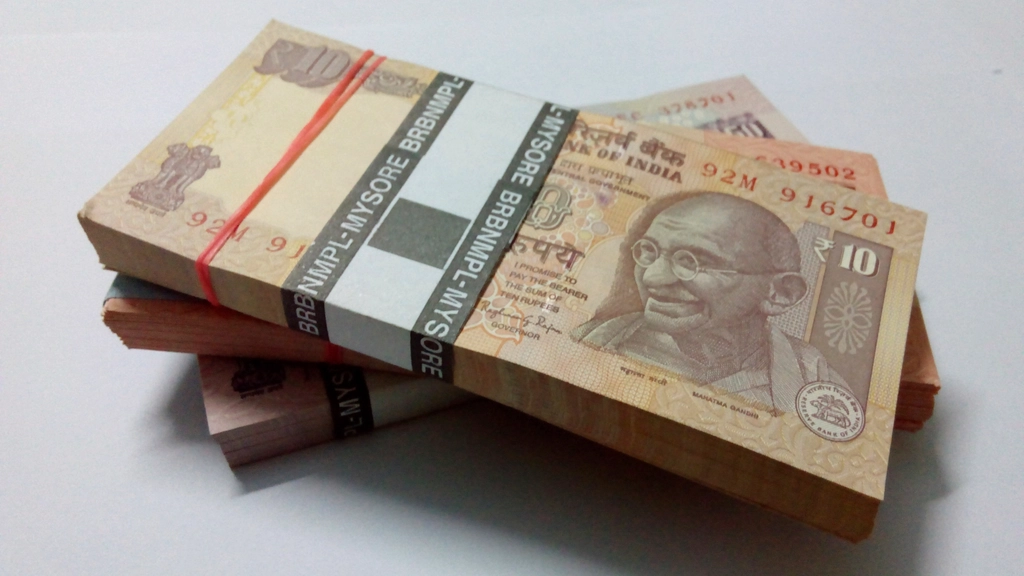
Photo: rawpixel (CC0)
Understanding Personal Loan Eligibility in India
If you're a salaried professional wondering whether you qualify for a personal loan, you're not alone. Every year, millions of Indians search for a quick, unsecured loan to fund everything from a medical emergency to a home renovation. While lenders evaluate several factors, the core eligibility criteria remain fairly consistent across banks and NBFCs. This guide walks you through the essential requirements, the documents you’ll need, and tips to improve your chances of approval. Personal loan eligibility in India is the first step toward securing the funds you need.
Key Eligibility Factors
| Factor | Typical Requirement | Why It Matters |
|---|---|---|
| Age | 21‑60 years (some lenders allow 18‑65) | Determines loan tenure and risk profile |
| Employment Type | Salaried (full‑time), self‑employed, or pensioner | Lenders assess income stability |
| Minimum Income | ₹15,000‑₹25,000 per month for salaried | Ensures repayment capacity |
| CIBIL Score | 650+ (higher scores get better rates) | Reflects credit history and risk |
| Residency | Indian citizen or NRI with Indian income | Legal requirement for loan contracts |
| Existing Debt | Reasonable debt‑to‑income ratio (usually < 40%) | Prevents over‑leveraging |
These are general ranges; actual thresholds vary by lender and the loan amount you request.
Common Documentation Checklist
- Identity Proof – PAN card, Aadhaar card, or passport.
- Address Proof – Utility bill, Aadhaar (address), passport, or rental agreement (not older than 3 months).
- Income Proof –
- Salary slips for the last 3 months.
- Form 16 for the latest financial year.
- Bank statements (last 6 months) showing salary credit.
- Employment Proof –
- Offer letter or appointment letter (if newly joined).
- Employment verification letter from HR (optional but helpful).
- Photographs – Two recent passport‑size photos.
- CIBIL Report – Some lenders request a recent credit report; you can obtain it from CIBIL, Experian, or Equifax.
- Additional Documents (if applicable) –
- Income Tax Returns (ITR) for self‑employed.
- Business proof (GST registration, profit & loss statement) for freelancers.
- Passport or visa copy for NRIs.
Tip: Keep digital copies of all documents handy. Many lenders now allow you to upload PDFs via their mobile apps, speeding up the approval process.
How Lenders Assess Your Application
- Income Verification – Lenders calculate your Net Monthly Income (NMI) after deducting taxes and statutory contributions. This figure helps determine the maximum loan amount they can comfortably offer.
- Debt‑to‑Income Ratio (DTI) – Your existing EMIs (home loan, car loan, credit cards) are compared against your NMI. A lower DTI improves approval odds.
- Credit Score Check – A higher CIBIL score not only boosts approval chances but also fetches you a lower interest rate band.
- Employment Stability – Continuous employment for at least 2‑3 years with the same employer is viewed favorably. Frequent job changes may raise red flags.
- Age and Tenure – Lenders align the loan tenure with your age, ensuring the loan is fully repaid before you reach the upper age limit (usually 60‑65).
Strategies to Strengthen Your Eligibility
- Maintain a Healthy CIBIL Score – Pay all credit card dues and existing EMIs on time. Avoid multiple loan applications in a short span.
- Boost Your Income Proof – If you receive a variable component (e.g., bonuses, commissions), include the average of the last 6‑12 months.
- Reduce Existing Debt – Paying down a credit card balance or consolidating high‑interest loans can lower your DTI.
- Stay Updated with KYC – Ensure your PAN and Aadhaar details are linked and up‑to‑date in the credit bureaus.
- Leverage Salary Account Benefits – Some banks offer preferential rates for customers who hold a salary account with them; consider applying through your primary bank.
Common Myths About Personal Loan Eligibility
| Myth | Reality |
|---|---|
| You need a CIBIL score above 800. | Lenders accept scores as low as 650, though rates improve with higher scores. |
| Only senior executives get large loan amounts. | Salary level matters more than designation; a junior professional with a high income can secure a sizable loan. |
| Self‑employed professionals can’t get personal loans. | Many NBFCs and banks now offer personal loans to self‑employed borrowers with proper ITRs and bank statements. |
| All personal loans require collateral. | Personal loans are unsecured; no collateral is needed, but creditworthiness is crucial. |
Quick Eligibility Self‑Check (Use Our EMI Calculator)
Before you apply, run a quick self‑assessment:
- Verify your age falls within the lender’s range.
- Ensure your monthly net income exceeds ₹15,000.
- Check your CIBIL score (650+ is a safe baseline).
- Gather the documents listed above.
- Use the Personal Loan EMI Calculator on MyLoanWala to estimate the loan amount you can afford based on your income and existing liabilities.
Frequently Asked Questions
Q1. How long does the approval process take? A: Most banks approve personal loans within 24‑48 hours after receiving all documents, especially for salaried applicants with a good credit score.
Q2. Can I apply for a personal loan if I have a pending credit card application? A: Yes, but multiple recent inquiries may temporarily affect your credit score. It’s best to limit applications to one lender at a time.
Q3. Do I need to provide proof of residence if my address is on the Aadhaar card? A: Aadhaar serves as both identity and address proof for most lenders, but some may still ask for a recent utility bill.
Q4. What if I change jobs during the loan tenure? A: Changing jobs is allowed, but you must inform the lender and may need to submit updated salary slips. Consistent income flow is key.
Q5. Are there any hidden fees I should watch out for? A: Look for processing fees (usually 0.5‑1% of the loan amount), pre‑payment penalties, and late‑payment charges. All fees are disclosed in the loan agreement.
Final Thoughts
Understanding personal loan eligibility in India empowers you to present a strong application, avoid unnecessary rejections, and secure the best possible interest rate. Keep your documents organized, maintain a healthy credit profile, and use the tools on MyLoanWala to gauge affordability before you apply.
Ready to compare offers from multiple lenders? Visit MyLoanWala now and find the personal loan that matches your eligibility and financial goals.