Personal Loan Approval in 2026: 5 Keys to Success
5 November 2026
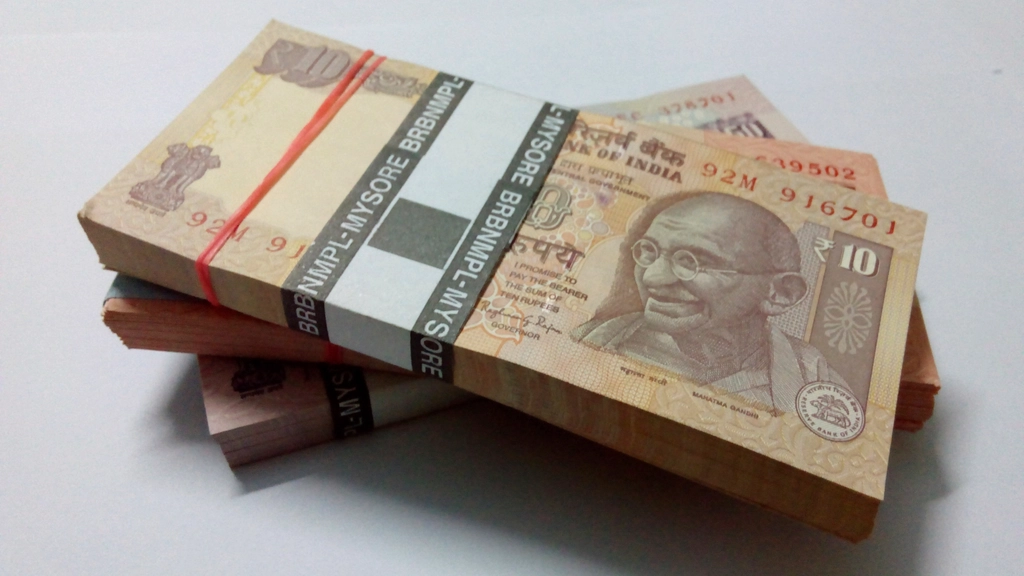
Photo: rawpixel (CC0)
Securing a personal loan in India can feel like navigating a maze of complex criteria, fluctuating interest rates, and strict documentation requirements. Whether you need funds for a wedding, medical emergency, or home renovation, banks and NBFCs (Non-Banking Financial Companies) have specific thresholds they look for before approving your application. In 2026, with digital lending becoming more prevalent, the focus has shifted heavily toward data accuracy and cash flow stability. Understanding what lenders truly evaluate can significantly improve your chances of approval and help you secure better terms.
Understanding the Core Eligibility Criteria
Before you even apply, it is crucial to align your profile with standard banking norms. While specific rules vary by lender, most institutions follow a similar framework for assessing personal loan eligibility.
Income and Employment Stability
Lenders prioritize consistent income. Salaried individuals typically need to show a minimum annual income, which often ranges from ₹3,00,000 to ₹5,00,000, depending on the bank. Self-employed applicants are usually required to demonstrate business consistency for at least two years. Your employment history is just as important; staying with the same employer or maintaining a steady business client base signals reliability to the lender.
The Role of Credit Score
Your CIBIL score is the backbone of your loan application. A score above 750 is generally considered excellent and may qualify you for lower interest rates. If your score is between 700 and 750, you are still eligible but may face slightly higher rates. Scores below 700 often lead to rejection or require a guarantor. It is essential to check your credit report for errors before applying, as even small discrepancies can delay the process.
Documents You Must Have Ready
Incomplete documentation is the most common reason for loan rejection. Keeping a digital folder with all necessary files ensures a smooth application process.
- Identity Proof: Aadhaar Card, PAN Card, Passport, or Voter ID.
- Address Proof: Aadhaar Card, Utility Bill (electricity/water), or Ration Card.
- Income Proof: Last 3-6 months' salary slips for salaried individuals; ITR (Income Tax Return) for the last 2-3 years for self-employed persons.
- Bank Statements: Last 6 months' statements to verify cash flow and salary credits.
- Photographs: Recent passport-sized photographs.
How to Improve Your Chances of Approval
If your profile is borderline, there are strategic steps you can take to strengthen your application.
Reduce Existing Debt
Lenders calculate your Debt-to-Income (DTI) ratio. If your existing EMIs (credit cards, other loans) consume more than 50% of your monthly income, your new loan application may be rejected. Paying off smaller debts or closing unused credit cards can lower your DTI ratio, making you a more attractive borrower.
Add a Co-Applicant
If your individual income is insufficient, adding a co-applicant (such as a spouse or parent) with a steady income can boost your eligibility. The lender will consider the combined income of both applicants, which can result in a higher loan amount and potentially better terms.
Choose the Right Lender
Not all lenders are the same. Traditional banks may have stricter norms but offer lower interest rates. NBFCs and fintech platforms often have faster approval processes and more flexible criteria, though their interest rates may be slightly higher. Comparing offers from multiple lenders is the best way to find the best fit for your profile.
Common Mistakes to Avoid
Even well-prepared applicants can make errors that hurt their chances.
- Applying to Too Many Lenders at Once: Each hard inquiry on your credit report can slightly lower your score. Apply to three or four lenders maximum and wait for a response before trying another.
- Inconsistent Information: Ensure your name, address, and income figures match exactly across all documents. Discrepancies raise red flags for fraud detection systems.
- Ignoring Renewal Dates: If you are applying for a loan based on an old ITR or salary slip, ensure the documents are recent. Lenders prefer data from the last three to six months.
Interest Rates and Hidden Costs
The advertised interest rate is not the only cost you will pay. Be aware of processing fees, which can range from 1% to 3% of the loan amount. Some lenders offer zero processing fees, but they may compensate with a higher interest rate. Always calculate the total cost of the loan, including all fees, before signing.
Prepayment and Foreclosure Charges
Many personal loans allow prepayment, but some lenders charge a fee for foreclosing the loan before the tenure ends. This fee is typically 2% to 4% of the outstanding principal. If you plan to pay off the loan early, choose a lender that offers zero foreclosure charges to save money.
Conclusion
Getting a personal loan in India in 2026 is straightforward if you are prepared. Focus on maintaining a healthy credit score, keeping your documents organized, and reducing existing debt. By understanding the criteria and avoiding common pitfalls, you can secure the funds you need on favorable terms.
Ready to find the best personal loan for your needs? Compare offers from top banks and NBFCs on MyLoanWala to get the lowest interest rates and fastest approvals.