Simple Personal Finance Saving Tips for Indian Salaried Workers
31 October 2026
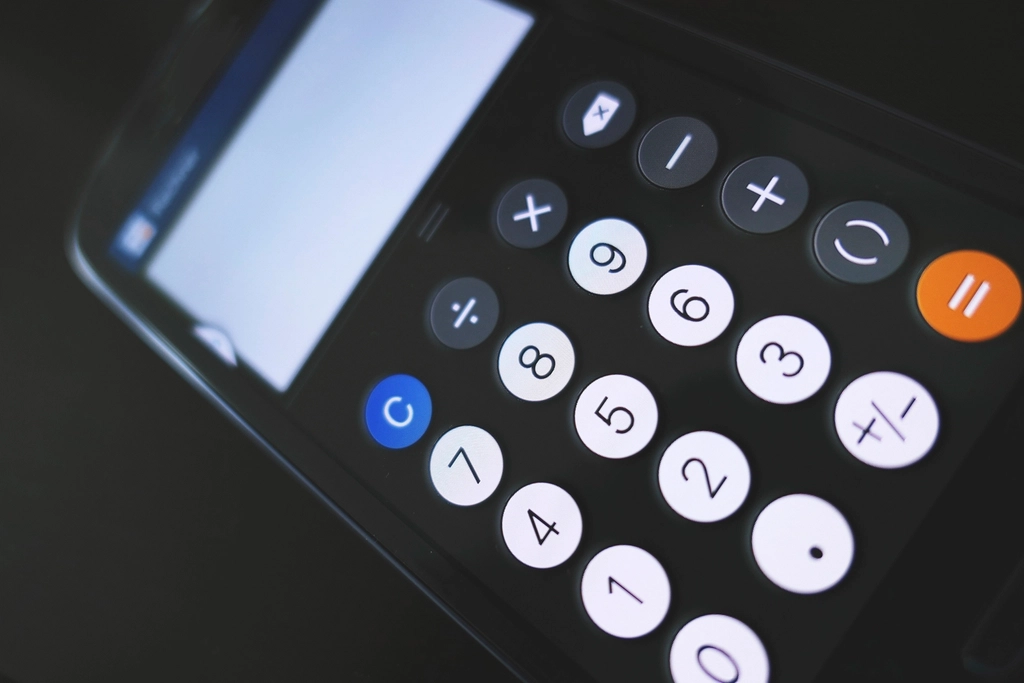
Photo: rawpixel (CC0)
Introduction
Saving money can feel overwhelming, especially when everyday expenses keep rising. For Indian salaried earners, a clear, actionable plan can make a huge difference. In this post we’ll share practical personal finance saving tips that work in 2026, using tools you already have – your salary slip, bank statements, and a bit of discipline.
Start with the 50/30/20 Rule (Adapted for India)
The classic 50/30/20 budgeting method is a great foundation, but you can tweak it to fit Indian cost structures:
- 50% – Essentials: Rent or home loan EMI, utilities, groceries, transport, and mandatory insurance (health, life, motor). In metro cities this slice may be higher; consider moving to a modest neighbourhood or sharing accommodation if it pushes you beyond half of your take‑home.
- 30% – Lifestyle: Dining out, streaming subscriptions, gym, shopping, and occasional travel. This is the flexible part where you can cut back without impacting basic needs.
- 20% – Savings & Debt Repayment: Emergency fund, SIPs, PF contributions beyond the statutory 12%, and any high‑interest loan repayments.
Tip: Use the MyLoanWala EMI calculator to see how a small pre‑payment can shrink the interest burden on existing loans.
Build an Emergency Fund the Right Way
An emergency fund should cover 3‑6 months of essential expenses. Instead of aiming for a lump sum right away, set up an automatic transfer of a modest amount (e.g., ₹2,000‑₹5,000) to a high‑interest savings account each month. Over time, the fund grows without you feeling the pinch.
- Keep the fund in a liquid account – a savings account or a short‑term recurring deposit.
- Avoid tying it up in fixed deposits with early withdrawal penalties.
- Re‑evaluate the target amount annually, especially if your expenses change.
Leverage Tax‑Saving Instruments Wisely
India offers several avenues for tax deductions under Section 80C, 80D, and 80CCD(1B). While the exact limits can change, the principle remains:
| Instrument | Typical Benefit | How It Helps Savings |
|---|---|---|
| Employee Provident Fund (EPF) | Mandatory, tax‑free growth | Forced savings, retirement corpus |
| Public Provident Fund (PPF) | Long‑term, tax‑free interest | Safe, 15‑year lock‑in, good for emergency buffer |
| National Pension System (NPS) | Additional 80CCD(1B) deduction | Low‑cost retirement fund |
| Health Insurance Premium (80D) | Tax deduction up to the limit | Reduces out‑of‑pocket medical costs |
| Equity‑Linked Savings Scheme (ELSS) | Potential market returns, tax‑free gains | Diversifies savings, higher growth potential |
Remember, the exact deduction limits are set by the RBI and Income Tax Department each FY. Check the latest figures before planning.
Cut Down on Everyday Costs
1. Grocery Shopping Hacks
- Plan meals for the week and create a strict list.
- Buy in bulk for non‑perishable items at wholesale markets like Madhav Market (Delhi) or KR Market (Mumbai).
- Use price‑comparison apps to spot the best deals on staples such as rice, dal, and cooking oil.
2. Transport Savings
- Opt for public transport or car‑pooling where possible. Many cities now offer monthly passes that are cheaper than daily tickets.
- If you own a two‑wheeler, maintain proper tyre pressure and service schedules to improve fuel efficiency.
3. Utility Bills
- Switch to LED bulbs and energy‑efficient appliances; the upfront cost pays off in lower electricity bills.
- Review your mobile and broadband plans annually – promotional offers often provide better value.
Automate Savings and Investments
Automation removes the temptation to spend what you intended to save. Set up standing instructions with your bank to:
- Transfer a fixed amount to a recurring deposit or mutual fund SIP right after salary credit.
- Pay PF, PPF, or NPS contributions automatically.
- Schedule auto‑debit for loan EMIs to avoid late fees and maintain a good credit history.
Use Credit Cards Smartly
Credit cards can be a double‑edged sword. Follow these rules to keep them a saving tool rather than a debt trap:
- Pay the full statement balance each month to avoid interest.
- Choose cards that offer cashback or reward points on categories you spend heavily on (groceries, fuel, online shopping).
- Keep your credit utilisation below 30% of the total limit – this helps maintain a healthy CIBIL score.
Review and Adjust Quarterly
Your financial situation isn’t static. Set a reminder every three months to:
- Compare your actual spending against the 50/30/20 targets.
- Check if any subscriptions can be cancelled.
- Re‑balance your investment portfolio based on market conditions and life goals.
FAQ
Q1. How much should I allocate to my emergency fund if I live in a metro city? A: Aim for at least 4‑6 months of essential expenses, as costs like rent and transport are higher.
Q2. Is it better to invest in PPF or ELSS for tax savings? A: PPF offers guaranteed returns and full tax‑free growth, while ELSS can provide higher returns but comes with market risk. A mix of both can balance safety and growth.
Q3. Can I use a personal loan to fund my emergency fund? A: It’s generally not advisable because personal loans carry interest. Building a cash buffer through regular savings is cheaper.
Q4. How often should I check my CIBIL score? A: At least once a year, or before applying for any new credit. Free annual checks are available from major credit bureaus.
Q5. What’s the best way to reduce my monthly EMI without refinancing? A: Consider making partial pre‑payments whenever you have surplus cash; this reduces the principal and thus the interest component of future EMIs.
Conclusion
Saving money in India doesn’t require complex strategies – just a disciplined approach, smart use of tax‑saving tools, and regular review. Start with the adapted 50/30/20 rule, automate your savings, and keep an eye on everyday expenses. For personalized loan and EMI calculations, visit MyLoanWala and compare the best offers tailored to your needs.
Ready to take control of your finances? Compare loan offers on MyLoanWala today!