How a Loan Against Property Can Help You Consolidate Debt in India
1 November 2026

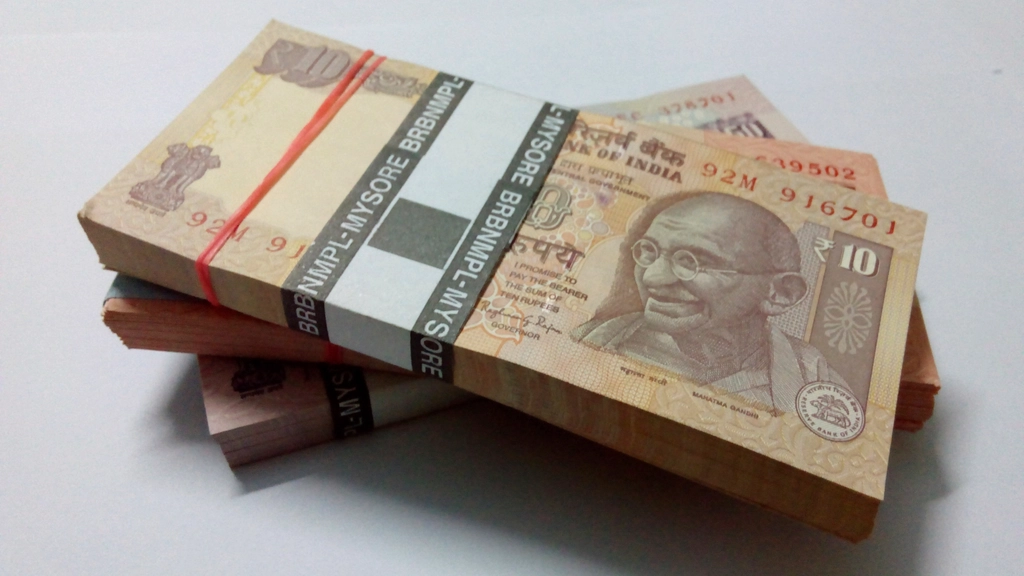
Photo: rawpixel (CC0)
Why Debt Consolidation with a Loan Against Property is Gaining Popularity
If you’re juggling multiple EMIs – credit cards, personal loans, and maybe a small business loan – the monthly cash‑flow pressure can feel overwhelming. A loan against property (LAP) offers a single, often lower‑interest solution to bundle those debts into one manageable payment. In India, borrowers use LAP not just for big purchases but also as a strategic tool to tidy up high‑cost liabilities.
What Is a Loan Against Property?
A loan against property is a secured loan where you pledge a residential or commercial asset as collateral. Because the loan is backed by a tangible asset, lenders typically offer higher loan‑to‑value (LTV) ratios – often up to 60‑70 % of the property’s market value – and interest rates that are lower than unsecured personal loans or credit cards.
When Is Debt Consolidation with LAP the Right Choice?
| Situation | Why LAP Works |
|---|---|
| Multiple high‑interest credit‑card balances | LAP rates are usually lower than credit‑card APRs, reducing overall interest cost |
| Personal loans with varying EMIs | One fixed EMI simplifies budgeting and can improve your CIBIL score over time |
| Business loan repayments affecting personal cash flow | Secured LAP can free up personal funds while keeping the business loan intact |
| Upcoming major expense (e.g., wedding, education) and existing debt | Consolidating debt frees up disposable income for the upcoming need |
Key Benefits of Using LAP for Debt Consolidation
- Lower Interest Cost: Secured loans generally carry lower rates than unsecured credit, which can translate into significant savings over the loan tenure.
- Single EMI: Managing one payment each month is easier than juggling several due dates, reducing the risk of missed payments.
- Potential CIBIL Boost: Timely repayment of a larger, secured loan can positively impact your credit score, especially if you previously had fragmented credit lines.
- Higher Loan Amount: Because the loan is backed by property, you can often borrow more than you could with a personal loan, giving you enough room to clear all existing debts.
- Flexibility in Tenure: Lenders usually allow tenures of 5‑15 years, letting you choose a repayment schedule that fits your cash flow.
Eligibility Basics
While exact criteria vary by lender, most banks and NBFCs look for:
- Age: Typically 21‑65 years at loan maturity.
- Income: Stable salaried or self‑employed income; many lenders require a minimum net monthly income of around ₹30,000‑₹40,000.
- Property Ownership: The property should be free of existing liens, or you must be able to refinance any existing mortgage.
- CIBIL Score: A score above 650 is generally preferred, though lenders may consider higher scores for better terms.
- Documentation: Proof of identity, address, income (salary slips, IT returns), property documents, and bank statements.
Step‑By‑Step Process to Consolidate Debt Using LAP
- Assess Your Debt: List all outstanding loans, credit‑card balances, interest rates, and remaining tenures.
- Calculate Required Amount: Add up the total you need to clear, then add a small buffer for any processing fees.
- Check Property Valuation: Get a recent market valuation of your property. This will determine the maximum loan you can secure.
- Compare Lenders: Use a loan comparison portal to shortlist lenders offering competitive LAP rates and flexible tenures.
- Submit Application: Provide the required documents and specify that the loan purpose is debt consolidation.
- Disbursement: Once approved, the lender will either transfer the amount to your bank account or directly pay off the existing lenders on your behalf.
- Start Repayment: Begin paying the single EMI as per the agreed schedule.
Things to Watch Out For
- Processing and Legal Fees: LAPs often involve valuation fees, legal charges, and stamp duty. Factor these into your total cost.
- Pre‑payment Penalties: Some lenders charge a fee for early repayment. Verify the terms if you plan to clear the loan ahead of schedule.
- Risk of Property Loss: Failure to repay can lead to foreclosure. Ensure the EMI is comfortably within your budget.
- Interest Rate Type: Choose between fixed and floating rates based on your risk appetite and market outlook.
Frequently Asked Questions
Q1: Can I use a LAP to clear both personal and business debts? A: Yes. As long as the loan amount covers the total outstanding liabilities, you can consolidate any unsecured debt, whether personal or business‑related.
Q2: Will my CIBIL score improve after consolidating debt with a LAP? A: Timely repayment of the secured loan can boost your score over time, especially if you close high‑interest credit‑cards that were dragging it down.
Q3: How long does the approval process take? A: Typically 7‑15 working days, but some lenders offer instant approvals for low‑risk profiles.
Q4: Is a LAP available for a jointly owned property? A: Yes, provided all co‑owners consent and sign the loan agreement.
Q5: What happens if property values fall during the loan tenure? A: The loan amount remains the same; however, a significant drop could affect future refinancing options.
Final Thoughts
A loan against property can be a powerful tool to bring order to a chaotic debt situation. By converting multiple high‑cost liabilities into a single, lower‑interest EMI, you not only simplify your finances but also set the stage for a healthier credit profile. Always weigh the benefits against the risks, and ensure the EMI fits comfortably within your cash flow.
Ready to explore the best LAP offers for debt consolidation? Compare loan offers on MyLoanWala today and take the first step towards a cleaner financial future.