Consolidate Your Debt: A Simple Guide to Managing Multiple Loans in India
30 October 2026
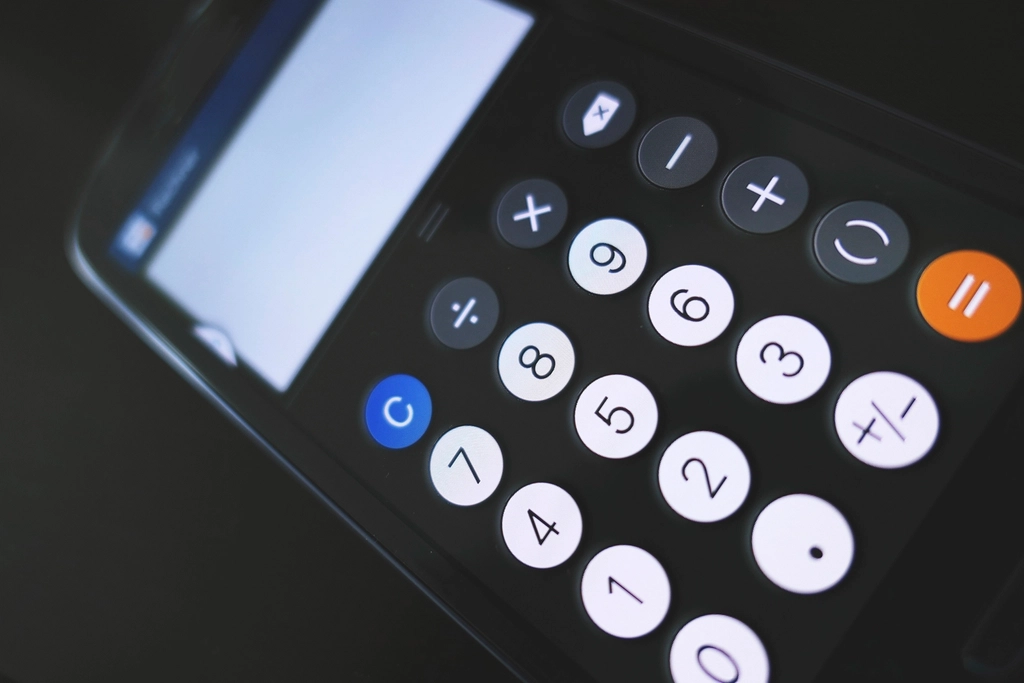
Photo: rawpixel (CC0)
Why Debt Consolidation Matters for Indian Borrowers
If you’re juggling personal loans, credit‑card balances, and maybe a small business loan, you’ve probably felt the stress of multiple EMIs, varied due dates, and different interest rates. Debt consolidation can help you streamline payments, potentially lower the overall interest burden, and give you a clearer picture of your finances. In this guide, we’ll explain how consolidation works in India, the types of loans you can combine, and steps to choose the right solution.
What Is Debt Consolidation?
Debt consolidation means taking out a single loan to pay off several existing debts. Instead of managing three or four separate EMIs, you pay one EMI to a single lender. The new loan may be a personal loan, a balance‑transfer credit‑card, or a home‑equity loan (if you own a property). The key benefits are:
- One payment, one due date – reduces the chance of missed payments.
- Potentially lower interest rate – especially if you have a good CIBIL score and can qualify for a personal loan with a lower rate than credit‑card interest.
- Simplified tracking – easier to monitor your debt reduction progress.
When Is Consolidation Worth Considering?
| Situation | Why Consolidation Helps |
|---|---|
| High‑interest credit‑card debt (often >30% p.a.) | Replacing it with a personal loan at 12‑18% can save money. |
| Multiple small personal loans with different due dates | One EMI makes budgeting simpler. |
| Variable interest rates causing payment spikes | Fixed‑rate personal loan provides predictability. |
| Approaching a major life event (marriage, child’s education) | Reducing monthly outflow frees cash for upcoming expenses. |
If you’re comfortable with a slightly longer loan tenure but want to lower monthly stress, consolidation can be a good fit.
Types of Consolidation Options Available in India
1. Personal Loan Consolidation
A standard personal loan can be used to pay off all existing unsecured debts. Most banks and NBFCs offer loan amounts from ₹50,000 to several crores, with tenures up to 5‑7 years. Eligibility depends on income, employment stability, and CIBIL score.
2. Balance‑Transfer Credit Card
If you have a good credit score, you can apply for a balance‑transfer credit card that offers a low introductory interest rate (often 0‑10% for 6‑12 months). This is useful for short‑term consolidation, but be aware of the rate that kicks in after the intro period.
3. Home‑Equity Loan (Loan Against Property)
If you own a house or commercial property, you can take a loan against it at a lower rate than unsecured loans. This option is suitable for larger debt amounts, but the property acts as collateral, so the risk is higher.
4. Debt‑Consolidation Schemes by Government‑Backed Lenders
Some public sector banks run special schemes for salaried borrowers that combine multiple debts into a single loan with flexible repayment options. Check with your bank for any such programs.
Step‑by‑Step Guide to Consolidate Your Debt
- List All Debts – Note the outstanding amount, interest rate, remaining tenure, and EMI for each loan or credit‑card balance.
- Check Your CIBIL Score – A higher score (750+) improves your chances of getting a lower interest rate on the new loan.
- Calculate Your Ideal EMI – Use MyLoanWala’s EMI calculator to see what monthly payment you can comfortably afford.
- Compare Lenders – Look for lenders offering personal loans or balance‑transfer cards with rates that suit your profile. Remember that rates vary by lender and are influenced by your credit score, income, and loan amount.
- Apply for the Consolidation Loan – Submit the required documents (identity proof, address proof, income proof, and existing loan statements). The lender will verify and, if approved, disburse the loan directly to your existing creditors.
- Close Old Accounts – Once the new loan funds are received, pay off each old loan or credit‑card balance. Keep the closure letters for future reference.
- Start Repaying the New Loan – Set up auto‑debit for the single EMI to avoid missed payments and protect your credit score.
Things to Watch Out For
- Pre‑payment Penalties – Some lenders charge a fee if you repay the loan early. Check the terms before signing.
- Processing Fees – Usually 0.5‑1% of the loan amount; factor this into your cost analysis.
- Loan Tenure Impact – Extending the tenure reduces your EMI but may increase total interest paid. Use the calculator to find a balanced tenure.
- Impact on Credit Score – Applying for a new loan results in a hard inquiry, which may cause a temporary dip. However, timely repayment of the consolidated loan will improve your score over time.
- Collateral Risks – If you opt for a loan against property, failure to repay can lead to the lender seizing the asset.
Frequently Asked Questions
Q1: Can I consolidate both secured and unsecured debts? A: Yes. A personal loan can pay off unsecured debts, while a loan against property can also cover secured loans like an existing home loan.
Q2: Will consolidating improve my CIBIL score? A: It can, provided you make all payments on time. Reducing the number of open credit accounts and lowering credit utilization are positive signals.
Q3: How long does the consolidation process take? A: Typically 7‑14 days after document verification, but it varies by lender.
Q4: Is a balance‑transfer credit card a good long‑term solution? A: It’s best for short‑term consolidation due to the introductory period. After that, the rate may rise, so plan to pay off the balance before the promo ends.
Q5: Do I need a co‑applicant for a higher loan amount? A: If your income alone isn’t sufficient to qualify for the desired amount, adding a co‑applicant with a stable income can improve eligibility.
Take the First Step Today
Debt consolidation can bring order to chaotic finances, lower stress, and help you rebuild a strong credit profile. Use MyLoanWala’s loan comparison tool to explore the best consolidation options tailored to your needs. Compare offers, check eligibility, and start your journey towards a cleaner financial future.
Ready to simplify your debts? Compare loan offers on MyLoanWala now!