30‑Day CIBIL Score Boost for Indian Salaried Professionals
7 November 2026

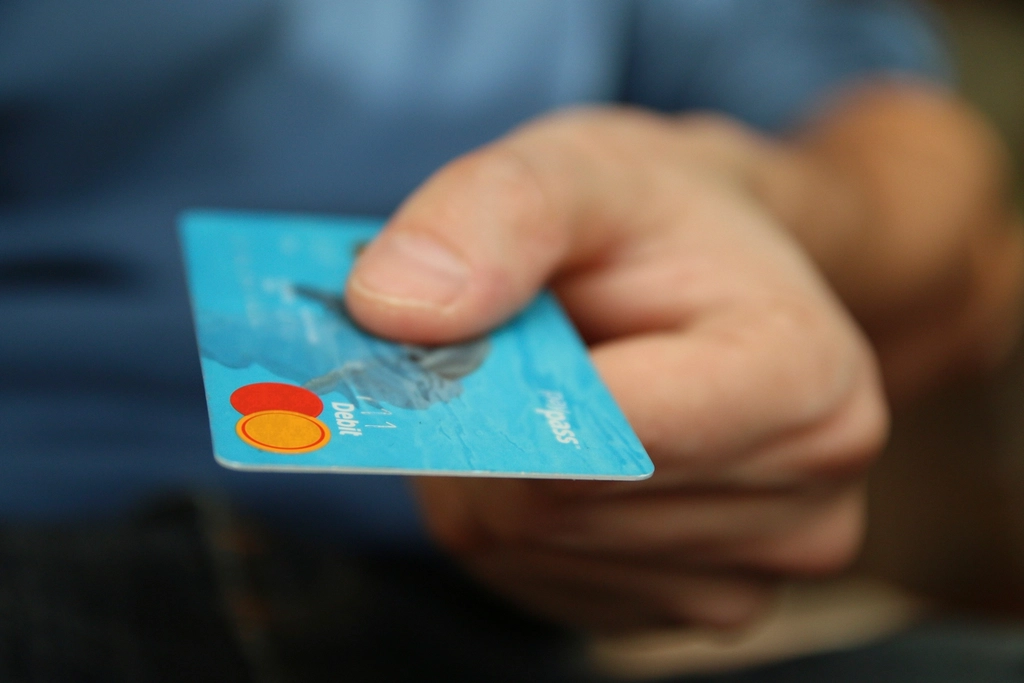
Photo: rawpixel (CC0)
Why Your CIBIL Score Matters for Every Financial Goal
Your CIBIL score is the single most important factor that lenders look at when you apply for a personal loan, credit card, car loan or even a home loan. A score above 750 typically opens doors to lower interest rates and higher loan amounts, while a score below 650 can lead to rejections or costly terms. For salaried professionals who juggle monthly EMIs, a healthy CIBIL score can save thousands of rupees every year.
Quick Overview of the CIBIL Scoring System
- Score Range: 300 – 900 (higher is better)\
- Key Components: Payment history, credit utilisation, length of credit history, types of credit, and recent enquiries.\
- Typical Benchmarks: 750 + = Excellent, 650‑749 = Good, 300‑649 = Needs improvement.
The 30‑Day Action Plan
Below is a step‑by‑step checklist you can follow over the next month to give your score a noticeable lift. Each activity is designed to be realistic for a full‑time salaried employee.
Day 1‑3: Gather Your Credit Report
- Obtain your free CIBIL report from the official website or a trusted aggregator.\
- Check for errors such as wrong personal details, duplicate accounts, or mis‑reported payments.\
- Dispute any inaccuracies online; most corrections are processed within 15 days and can instantly improve your score.
Day 4‑7: Tackle Outstanding Dues
- Prioritise overdue credit‑card balances and personal loan EMIs. Paying even a part of a past‑due amount signals responsible behaviour.\
- Set up auto‑debit for all EMIs to avoid future missed payments.
- If you have multiple credit cards, consider paying down the one with the highest utilisation first.
Day 8‑10: Reduce Credit Utilisation
- Aim for utilisation below 30 % of your total credit limit. For example, if your combined credit‑card limit is ₹5 lakh, keep the total outstanding under ₹1.5 lakh.
- Request a credit‑limit increase on cards you manage well; a higher limit with the same balance automatically lowers utilisation.
- Avoid new purchases on credit cards until the utilisation drops.
Day 11‑13: Consolidate Small Debts
- If you have several small loans or credit‑card balances, consider a low‑interest balance‑transfer or a personal loan to clear them in one go. This reduces the number of active accounts and can improve the “types of credit” factor.
- Choose a lender with a quick approval process and no hidden fees.
Day 14‑17: Add a Positive Credit History
- If you have no credit‑card or loan history, apply for a secured credit‑card or a small personal loan (₹30,000‑₹50,000) and repay it on time.
- Use the card for regular expenses (groceries, utility bills) and pay the full statement balance each month.
Day 18‑21: Limit New Credit Enquiries
- Avoid applying for multiple loans or cards within a short period. Each hard enquiry can dip your score by a few points.
- If you must shop for a loan, use the “rate‑comparison” tools that perform a soft pull and do not affect your score.
Day 22‑25: Keep Old Accounts Open
- Do not close old credit‑card accounts even if you rarely use them. The length of credit history contributes positively to your score.
- Use them occasionally (e.g., a small purchase each month) to keep the account active.
Day 26‑30: Review and Re‑Check
- Re‑download your CIBIL report to see the impact of the actions you took. Most changes reflect within 30 days, though some lenders update monthly.
- Note any remaining issues and plan long‑term habits: on‑time payments, low utilisation, and minimal enquiries.
Simple Table: Weekly Focus Areas
| Week | Primary Goal | Key Actions |
|---|---|---|
| 1 | Clean the report | Get report, dispute errors |
| 2 | Clear overdue dues | Pay past‑due amounts, set auto‑debit |
| 3 | Lower utilisation | Pay down balances, request limit increase |
| 4 | Build positive history | Use secured card, avoid new enquiries |
Common Myths About CIBIL Scores (Debunked)
- Myth: “Checking my own score will lower it.” – False. Soft pulls for self‑checks do not affect the score.
- Myth: “Closing a credit‑card improves my score.” – False. It shortens credit history and can raise utilisation.
- Myth: “Only loan repayments matter.” – False. Credit‑card payments, utility bill payments (when reported), and even rent can influence the score if reported to CIBIL.
Long‑Term Habits for a Healthy Score
- Pay every EMi on time – Set reminders or automate payments.
- Maintain utilisation under 30 % – Even after the 30‑day boost, keep this habit.
- Monitor your score quarterly – Use free tools to stay aware of any sudden changes.
- Diversify credit responsibly – A mix of secured and unsecured credit shows lenders you can manage different products.
- Avoid excessive hard enquiries – Space out loan applications by at least 90 days when possible.
Frequently Asked Questions
Q1: How long does it take for a corrected error to reflect on my CIBIL score?
A: Typically 7‑15 days after the dispute is resolved, but it can take up to a month for all lenders to update their data.
Q2: Will a small personal loan hurt my score?
A: Not if you repay it on time. A new loan adds a short‑term dip due to the hard enquiry, but consistent repayments improve the “payment history” component.
Q3: Can I improve my score without a credit‑card?
A: Yes, regular repayment of a personal loan or a home loan also boosts the score. However, a credit‑card offers more flexibility to demonstrate low utilisation.
Q4: Does paying off a loan early affect my score?
A: Early repayment may slightly reduce the “credit mix” factor temporarily, but the overall impact is minimal compared to the benefit of a clean payment record.
Q5: How often can I check my CIBIL score for free?
A: Most providers allow one free check per month. Use it to track progress and spot any suspicious activity.
Ready to see how your improved CIBIL score can unlock better loan offers? Compare loan options on MyLoanWala today and take the next step toward financial freedom!