Personal Loans in India: How to Choose the Right One for Your Needs
17 November 2026
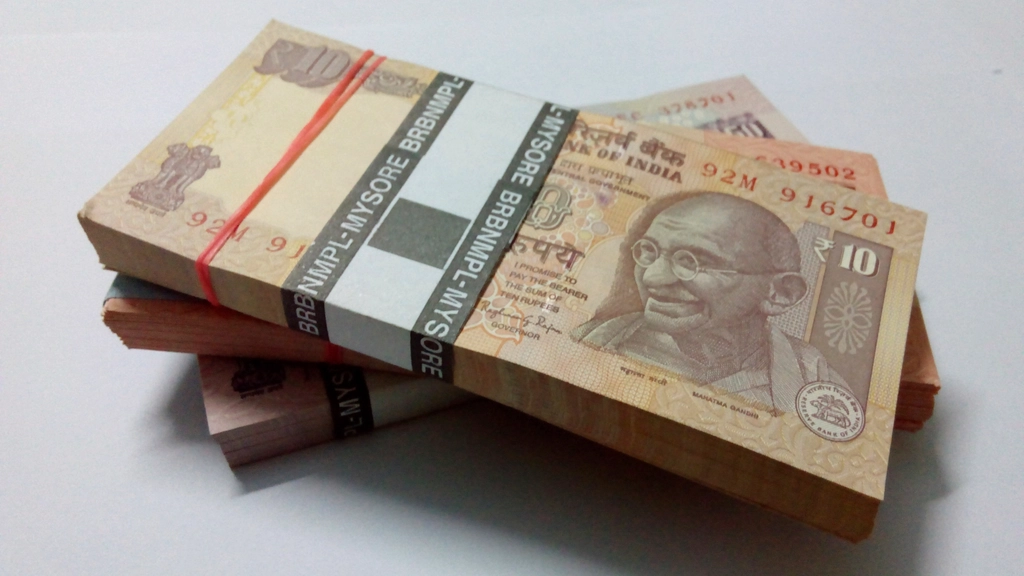
Photo: rawpixel (CC0)
Understanding Personal Loans in India
Personal loans are unsecured credit facilities that can be used for a variety of purposes – from wedding expenses and home renovation to medical emergencies or debt consolidation. Because they don’t require collateral, lenders assess your creditworthiness mainly through your CIBIL score, income stability, and repayment capacity. The main keyword "personal loans in India" appears naturally in this opening paragraph to help readers and search engines alike.
Why Do Indians Prefer Personal Loans?
- Quick disbursal: Many banks and fintech platforms can credit the amount within 24‑48 hours after approval.
- Flexible usage: No restriction on how the money is spent, unlike home or car loans.
- Fixed interest rates: Most lenders offer a fixed rate for the loan tenure, making EMI planning easier.
- No collateral needed: Ideal for salaried employees, self‑employed professionals, and even retirees with a good credit profile.
Key Factors to Compare Before Applying
When you start looking at personal loans in India, consider these essential parameters:
| Parameter | What to Look For |
|---|---|
| Interest rate range | Typically 10%‑24% per annum for salaried borrowers; rates vary by lender and credit score. |
| Processing fee | Usually 0.5%‑2% of the loan amount; some lenders waive it for high‑CIBIL customers. |
| Pre‑payment charges | May be 1%‑5% of the outstanding amount; check if the lender allows free pre‑payment after a certain period. |
| Loan tenure | Commonly 12‑60 months; longer tenures lower EMI but increase total interest. |
| Minimum & maximum loan amount | Often ₹50,000 to ₹15 lakh for salaried; higher limits for self‑employed with strong docs. |
1. Interest Rates and How They Are Determined
The RBI sets the policy repo rate, which influences bank lending rates, but each lender adds a spread based on the borrower’s risk profile. A higher CIBIL score (750‑900) generally fetches rates at the lower end of the range, while scores below 650 may see higher rates. Remember, rates vary by lender, so use the EMI calculator on MyLoanWala to see how different rates affect your monthly payment.
2. Eligibility Checklist
- Age: 21‑60 years (some lenders extend up to 65).
- Income: Minimum monthly net salary of ₹15,000 for salaried; self‑employed may need to show 2‑3 years of profit & loss statements.
- Employment stability: At least 2‑3 years with the current employer or business.
- CIBIL score: Typically 650+ for smooth approval; higher scores improve terms.
- Residential status: Indian citizen or NRI with a valid Indian address.
3. Required Documents
- Identity proof (Aadhaar, PAN)
- Address proof (electricity bill, rent agreement)
- Income proof (salary slips, Form 16, bank statements)
- Employment proof (appointment letter, IT returns for self‑employed)
- Recent passport‑size photograph
How to Choose the Best Personal Loan for You
Step 1: Define Your Purpose and Amount
Identify exactly why you need the loan and calculate the minimum amount required. Borrowing more than necessary increases your debt burden.
Step 2: Check Your Credit Score
A good CIBIL score opens doors to lower interest rates. If your score is below 700, consider improving it before applying – pay existing dues, avoid multiple loan applications, and correct any errors on your credit report.
Step 3: Compare Lenders Using a Loan Marketplace
Websites like MyLoanWala let you compare interest rates, processing fees, and pre‑payment charges side‑by‑side. Filter results by loan amount, tenure, and your credit score to get the most relevant offers.
Step 4: Use the EMI Calculator
Plug in the loan amount, tenure, and interest rate to see your monthly EMI. This helps you gauge affordability and plan your household budget.
Step 5: Read the Fine Print
Pay attention to:
- Hidden fees (late payment, documentation)
- Pre‑payment penalties after the lock‑in period
- Insurance requirements (some lenders bundle loan protection insurance)
Common Use‑Cases for Personal Loans in India
- Wedding expenses: Cover venue, catering, and attire without draining savings.
- Home renovation: Finance kitchen upgrades, painting, or structural repairs.
- Medical emergencies: Quick funds for surgeries or treatments not covered by insurance.
- Debt consolidation: Combine high‑interest credit card balances into a single, lower‑rate loan.
- Education fees: Pay tuition for courses or certifications when scholarships are insufficient.
Frequently Asked Questions (FAQ)
Q1: How long does it take to get a personal loan approved? A: Most banks and fintech lenders approve within 24‑72 hours after document verification, provided your credit profile is strong.
Q2: Can I get a personal loan if I am self‑employed? A: Yes. Lenders typically require 2‑3 years of tax returns, profit & loss statements, and a higher CIBIL score.
Q3: Are personal loan interest rates fixed or floating? A: The majority are fixed for the loan tenure, but a few lenders offer floating rates linked to the RBI repo rate.
Q4: What happens if I miss an EMI? A: Late payment fees may apply, and missed payments can affect your CIBIL score, making future borrowing harder.
Q5: Is loan insurance mandatory? A: Some lenders bundle a loan protection plan, but it is optional. Review the cost before opting in.
Final Thoughts
Choosing the right personal loan in India boils down to understanding your own financial needs, checking your credit health, and comparing offers meticulously. Use MyLoanWala’s comparison tools and EMI calculator to make an informed decision that fits your budget and goals.
Ready to find the best personal loan for your situation? Compare offers now on MyLoanWala and take the first step towards financial freedom.