How to Consolidate High‑Interest Credit Card Debt with a Personal Loan in India
16 November 2026

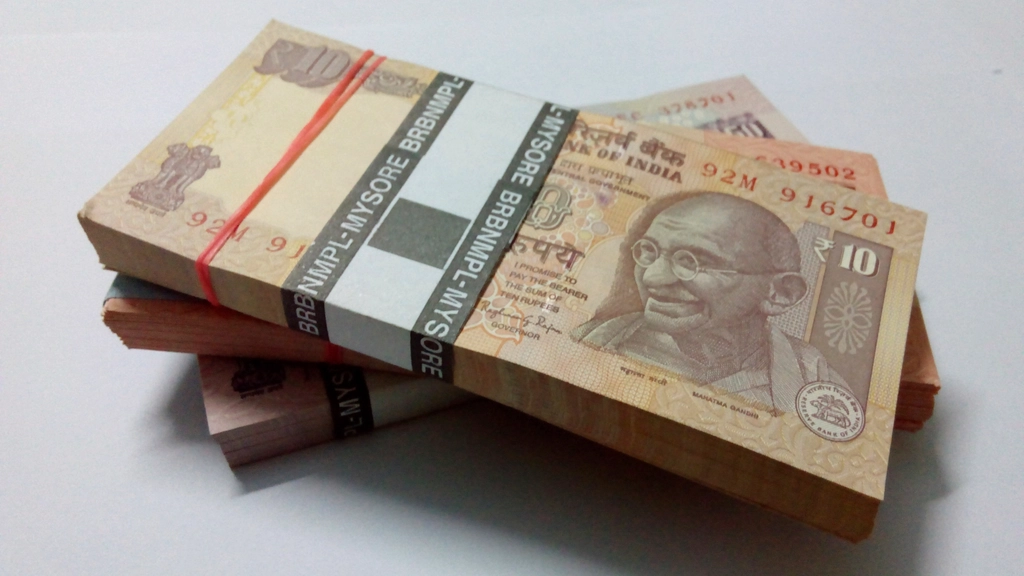
Photo: rawpixel (CC0)
Why Credit Card Debt Can Become a Financial Burden
Credit cards are convenient, but the interest rates on unpaid balances can be steep – often ranging from 24% to 36% per annum. When you carry a balance on multiple cards, the EMI (Equated Monthly Installment) can quickly become unmanageable, affecting your CIBIL score and overall cash flow.
A personal loan for debt consolidation offers a single, lower‑interest solution that can simplify repayments and help you regain control of your finances. In this guide, we’ll walk you through the steps to evaluate, apply for, and manage a consolidation loan that suits Indian borrowers.
When Is Debt Consolidation the Right Choice?
- Multiple high‑interest credit cards – If you have more than one card with balances over ₹10,000 each.
- EMI stress – When your total monthly credit‑card EMI exceeds 30% of your net income.
- CIBIL impact – Frequent missed payments are hurting your credit score.
- Desire for a single payment – Managing one loan is easier than juggling several due dates.
Choosing the Right Personal Loan for Consolidation
| Feature | What to Look For | Why It Matters |
|---|---|---|
| Interest Rate | Typical range 10%–15% p.a. for salaried borrowers; may be higher for self‑employed | Lower than most credit‑card rates, reducing overall interest cost |
| Loan Tenure | 12–60 months (flexible) | Aligns EMI with your repayment capacity |
| Processing Fees | Usually 0.5%–1% of loan amount | Keeps the total cost of borrowing reasonable |
| Pre‑payment Charges | Often nil or minimal after a certain period | Allows you to clear the loan early without penalty |
| Documentation | Salary slips, bank statements, PAN, Aadhaar, and CIBIL report | Simplifies the application process |
Tip: Use MyLoanWala’s loan comparison tool to filter lenders based on these criteria and see which offers the best overall package for your situation.
Step‑by‑Step Guide to Consolidate Your Credit Card Debt
- List All Credit Card Balances – Note the outstanding amount, interest rate, and minimum EMI for each card.
- Calculate Total Debt – Add up the balances; this is the amount you’ll need to borrow.
- Check Your CIBIL Score – A score above 750 usually fetches better rates. If it’s lower, consider a small pre‑payment to improve it before applying.
- Use an EMI Calculator – Input the total debt, desired tenure, and an estimated interest rate to see the projected EMI. MyLoanWala’s calculator can help you experiment with different tenures.
- Compare Lenders – Look for lenders offering the lowest interest rate, minimal fees, and flexible pre‑payment options.
- Gather Documents – Salary slips (last 3 months), Form 16, bank statements (last 6 months), PAN, Aadhaar, and a recent CIBIL report.
- Apply Online – Most banks and NBFCs provide a quick online application. Upload documents, verify your identity, and await approval.
- Disbursement & Repayment – Once approved, the lender will disburse the loan amount directly into your bank account. Use the funds to pay off all credit‑card balances in a single transaction.
- Set Up Auto‑Debit – To avoid missed payments, set up an auto‑debit from your savings account for the loan EMI.
- Monitor Your Credit Score – After a few months of timely repayments, you’ll notice an improvement in your CIBIL score.
Common Pitfalls and How to Avoid Them
- Borrowing More Than Needed – Stick to the exact amount required to clear credit‑card balances; extra borrowing defeats the purpose.
- Choosing a Longer Tenure for Low EMI – While a longer tenure reduces EMI, it can increase total interest paid. Find a balance that fits your budget.
- Ignoring Pre‑payment Options – Some lenders charge a fee for early repayment. Opt for those that allow free pre‑payment after a certain period.
- Not Checking Hidden Fees – Processing fees, legal fees, and insurance can add up. Ensure you understand the total cost before signing.
FAQs
Q1: Will a personal loan affect my CIBIL score? A: Yes, the loan application results in a hard inquiry, which may cause a slight dip. However, timely repayments will improve your score over time.
Q2: Can I consolidate both credit‑card debt and a small personal loan? A: Absolutely. A personal loan can be used to clear multiple debts, including existing personal loans, as long as the total amount is within the lender’s limit.
Q3: How long does the approval process take? A: Many lenders offer instant or same‑day approval for salaried borrowers with good credit scores. For self‑employed applicants, it may take 2–3 business days.
Q4: Is a secured loan better for consolidation? A: Secured loans (e.g., loan against property) often have lower rates but require collateral. For most credit‑card debt, an unsecured personal loan is sufficient and less risky.
Q5: What if I miss an EMI? A: Missing an EMI can lead to penalty charges and affect your credit score. Contact the lender immediately to discuss restructuring options.
Final Thoughts
Consolidating high‑interest credit‑card debt with a personal loan can bring your finances back on track, lower your overall interest burden, and improve your credit health. The key is to choose the right loan, understand all costs, and stay disciplined with repayments.
Ready to compare personal loan offers that can help you consolidate debt? Visit MyLoanWala now and find the best deal for your needs!